Early symptoms may be easy to dismiss. Fatigue, unusual thirst, frequent urination, nausea, constipation, headaches, or a vague feeling that something is wrong may not immediately seem connected to a supplement. Many people may first blame stress, sleep, age, or a busy schedule.
In more serious cases, high calcium levels may be linked with kidney stones, muscle weakness, abdominal discomfort, confusion, bone pain, and abnormal heart rhythms that need medical attention.
Severe vitamin D toxicity is considered relatively uncommon. When it does happen, health experts commonly associate it with excessive supplement use rather than ordinary food intake or normal sun exposure.
The Hidden Risk of Supplement Stacking
One of the easiest ways to overdo vitamin D is by taking it from several products at once. A person may use a multivitamin, a separate vitamin D capsule, an immune-support blend, fortified drinks, and calcium tablets without realizing several of them contain overlapping amounts.
That combined intake can add up. It is especially important for people who use supplements regularly to read labels and understand what they are already getting from different sources.
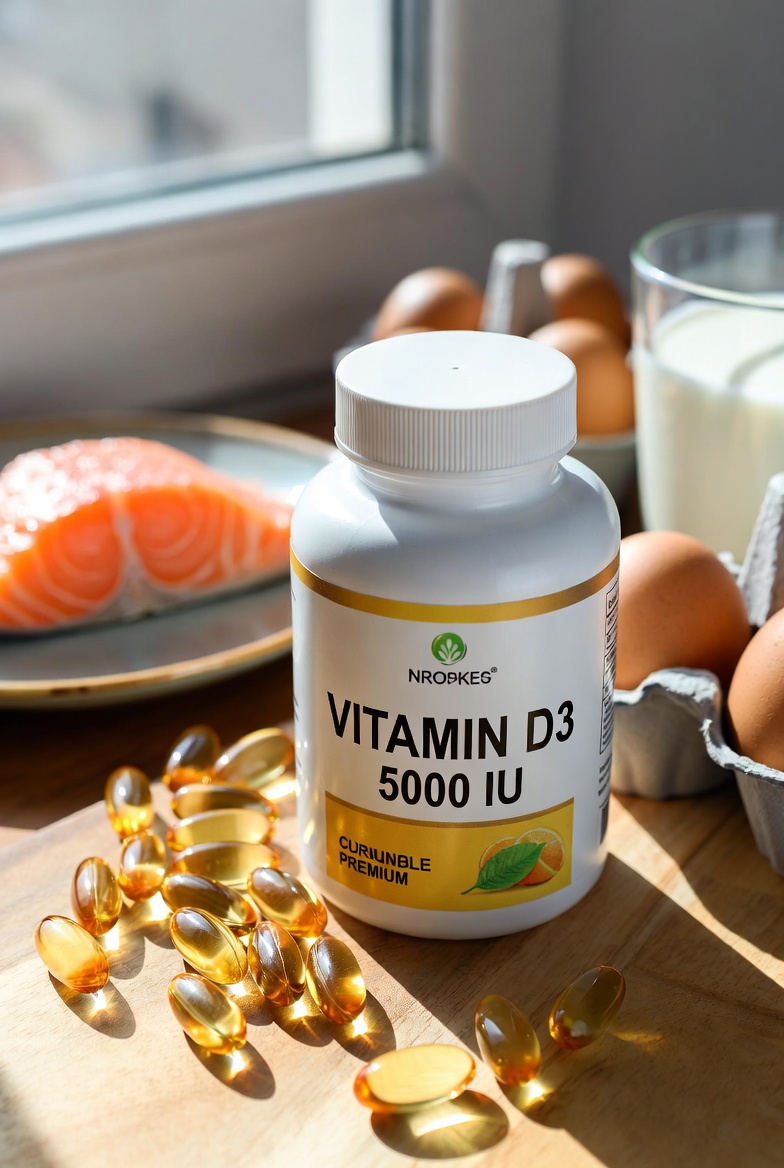
Food sources such as fortified products, dairy foods, eggs, and fatty fish can contribute vitamin D as part of a balanced diet. For most people, these sources are not the main concern. The bigger issue is high-dose supplementation without blood testing or guidance from a healthcare professional.
What Readers Should Know
Vitamin D remains an important nutrient, and people with a true deficiency may benefit from supplementation when it is used appropriately. The goal is not to avoid vitamin D, but to treat it like any other health product that can have risks at excessive levels.
If someone is taking vitamin D regularly, especially at higher doses or alongside other supplements, it may be worth discussing dosage and blood testing with a doctor or qualified healthcare provider. That kind of preventive care can help keep supplementation useful instead of creating an avoidable health problem.
The takeaway is simple: vitamin D can support health, but it should be used with the same care and attention as any other supplement. A little awareness now can prevent a much bigger concern later.