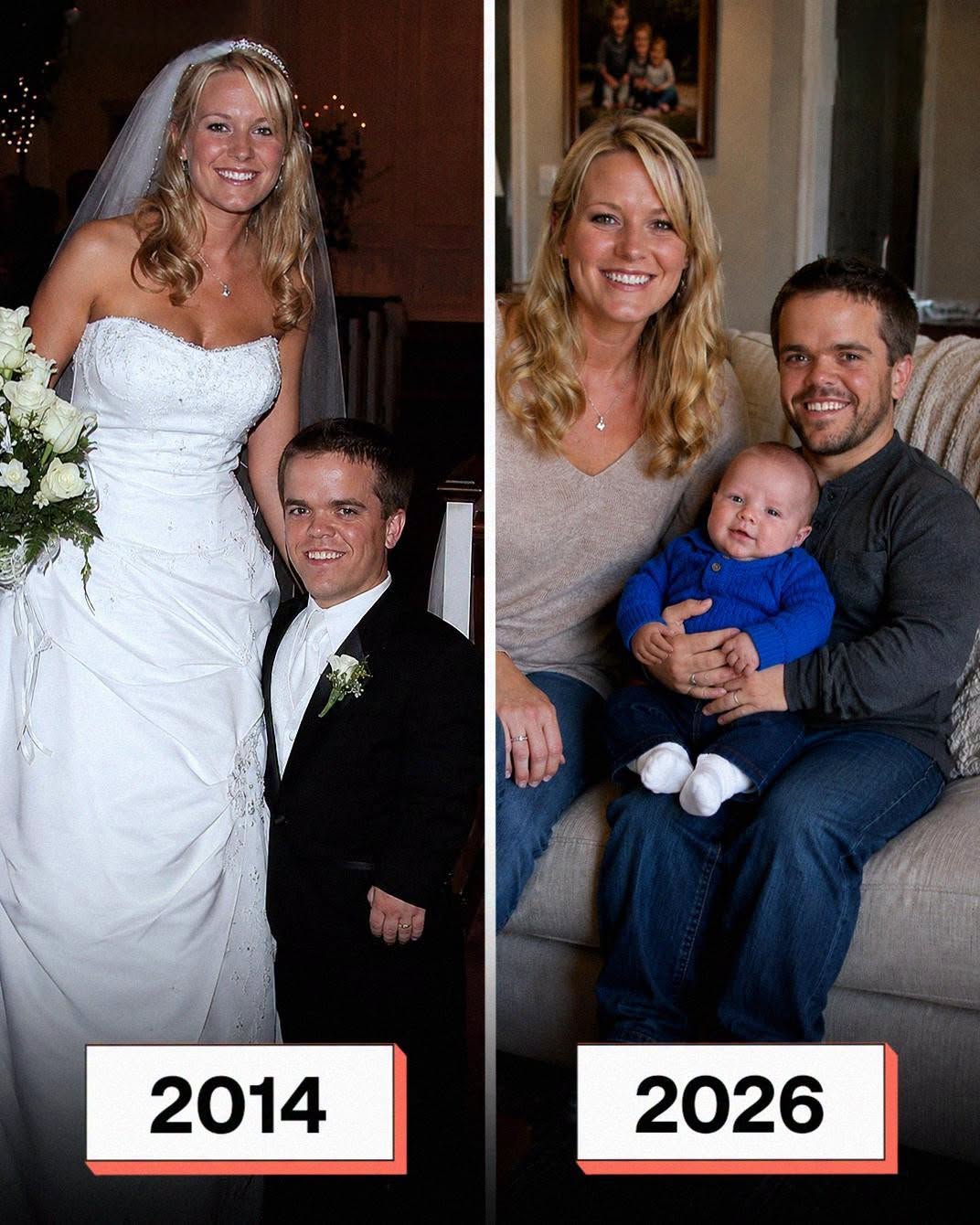
A Wedding Toast That Said Too Much
The problem became impossible to ignore on their wedding day.
During the reception, her father stood to give a toast. The room expected warmth, maybe a few sentimental words about marriage and family. Instead, he made a comment about whether their future children would be able to reach the dinner table.
She looked at Jordan, worried the moment had crushed him. But he reached for her hand and told her not to let it ruin the day.
That response stayed with her. Jordan had spent much of his life being judged before people took the time to know him. He had learned, painfully and patiently, not to let someone else’s narrow view decide his worth.
Still, the comments did not stop after the wedding.
At one point, Jordan opened up about something deeply personal: he had been abandoned as a child by biological parents who struggled to accept his condition. It was not an easy story for him to share.
Her father responded with another cruel remark, suggesting that his childhood explained why he had been abandoned.
That moment changed her approach to her family. She stopped trying to smooth everything over. She stopped bringing Jordan to gatherings where he would be belittled. She stopped answering every call as if family access was automatic.
Most of all, she stopped asking her husband to absorb disrespect just because it came from her parents.
Then the Financial Trouble Arrived
While the relationship with her parents became more distant, Jordan’s career continued to grow.
His architecture firm became known for inclusive design, the kind of work that considers accessibility from the beginning rather than treating it like an afterthought. He built a team around skill, care, and practical design instead of stereotypes.
Her parents, meanwhile, had spent years maintaining a lifestyle built around appearances. Their business depended heavily on debt, and eventually the financial pressure caught up with them.
One evening, they came to the couple’s home with a serious request. Their house was at risk because of bank action, and they believed Jordan could help.
After years of dismissing him, they were now sitting in his home asking for money.
Jordan listened for nearly two hours as they explained their situation. When they finished, he went into his office and returned with a check for $20,000.
Her mother immediately looked relieved.
But then Jordan made one thing clear: before he handed it over, he wanted a genuine apology.
Not an apology designed to unlock the money. Not a vague claim that everything had been misunderstood. A real acknowledgment of how they had treated him.
Her mother tried to explain that they had never meant to hurt him and that some comments had been taken the wrong way. To Jordan’s wife, it sounded less like accountability and more like a transaction.
Why This Matters
Family money requests are rarely just about money. A loan or gift can carry years of history, obligation, resentment, and power into one conversation. In this case, the $20,000 check became a test of whether her parents wanted help from Jordan as a person, or simply wanted access to his bank account.
She offered another path. If her parents genuinely wanted help, they could spend a week at Jordan’s architecture firm.
The point was not humiliation. It was understanding. They would see his work, learn about the inclusive design principles behind the firm, and listen to the people who respected him as a professional.
She wanted them to see the man they had spent twelve years refusing to recognize.
Her father rejected the idea immediately. He said they should not have to spend a week at the firm just to receive help. Then he dismissed the place as a “circus.”
For her, that word ended the conversation.
After all those years, there was no longer room to call it a misunderstanding. Her parents did understand enough to know their words hurt. They simply did not care enough to stop.
She stood up and told them to leave.
Before going, her father made one last attempt to belittle Jordan, implying that someone of his stature could not stand up for himself. Jordan did not argue. He did not need to.
When the door closed behind them, the house became quiet. This time, the silence felt calm instead of tense.
The $20,000 check stayed on the table.
Jordan told his wife she had made the right decision.
Financial help should not require someone to ignore years of cruelty. Forgiveness does not mean pretending harm never happened. And being related to someone does not give them the right to disrespect your spouse, your home, or your peace.
Her parents wanted the benefits of family without accepting the responsibility that comes with being family.
In the end, the couple kept their money. More importantly, they kept their boundaries.
Jordan had spent years being measured by something strangers noticed first. But his character showed in the life he built, the work he created, and the restraint he showed toward people who never offered him the same grace.
Sometimes the hardest family decision is not about cutting someone off. It is about finally refusing to pay the price for their lack of respect.