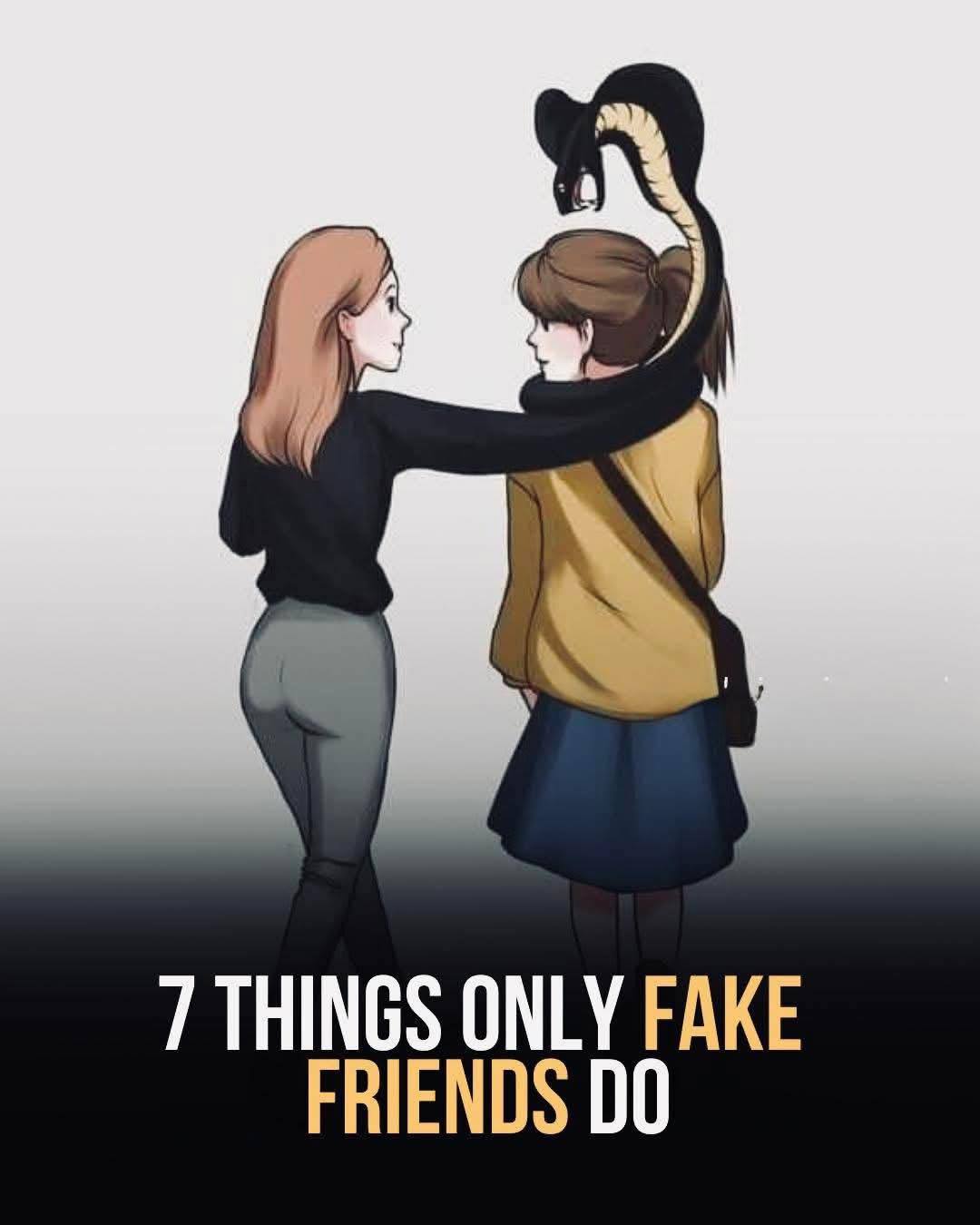
3) They turn your success into “luck”
It’s one thing to acknowledge timing and opportunity. It’s another to repeatedly suggest you didn’t earn your progress. If they constantly imply you “got lucky” or “had it easy,” they may be trying to reduce your confidence and keep the power dynamic in their favor.
4) Conversations are always about them
Healthy friendships have balance. If you’re always listening to their problems, their drama, their stress—and your life barely gets airtime—you’re not in a friendship. You’re in an emotional service role.
5) They disappear when you need support
Some people love having an audience, but they vanish when it’s time to show up for you. If they’re “too busy” during your hard seasons yet expect you to be available 24/7 for theirs, that’s a major sign of a one-sided relationship.
6) They only contact you when they want something
Pay attention to patterns. Do they text when they need a favor, money, a connection, a ride, or help fixing a problem—but go quiet when everything is fine? That’s not closeness; it’s convenience.
7) They compete with you in subtle ways
Not all competition is obvious. It can look like one-upping your stories, turning your moment into their moment, or needing to “outshine” you socially. If you leave hangouts feeling smaller than when you arrived, something is off.
8) They guilt-trip you for having boundaries
Emotionally mature friends respect your time. A manipulative friend punishes you for saying “no.” They may act hurt, withdraw affection, or accuse you of changing—when you’re simply protecting your peace.
9) They break promises but expect loyalty from you
They cancel last minute, don’t show up for your big moments, forget what matters to you—yet demand your attention and commitment. This double standard is a clear sign the relationship is built around their needs, not mutual care.
10) They talk badly about others… and it’s probably happening to you too
If they constantly share other people’s secrets, embarrassments, and private business, believe what you’re seeing. People who use gossip as entertainment often treat personal information like currency. Trust becomes impossible in that environment.
11) They get defensive when you bring up concerns
In a strong friendship, you can talk through issues without it turning into war. A fake friend may deflect, deny, or twist the situation until you feel guilty for speaking up. If honest communication is “not allowed,” the connection isn’t emotionally safe.
12) They make you feel “too sensitive” instead of listening
When you express hurt, a caring friend tries to understand. A toxic one labels you dramatic or insecure to avoid accountability. Over time, this can make you doubt your own feelings—one of the quickest paths to emotional burnout.
13) Your body tells you the truth: you feel drained after seeing them
Your intuition matters. If you regularly feel anxious, exhausted, tense, or uneasy after spending time with this person, don’t ignore it. Healthy friendships feel steady and supportive—not like walking on eggshells.
What to do if these signs feel familiar
You don’t need to start a fight or make a dramatic announcement. Start small: set boundaries, limit access to your personal life, and notice how they respond when you prioritize yourself. The right people adjust with respect. The wrong people push back, guilt-trip, or escalate.
Protecting your peace is not selfish—it’s smart. When you step away from one-sided relationships, you create space for genuine friendships built on trust, respect, and real support.
CTA: Have you ever experienced a friendship that felt more like competition than support? Share your thoughts in the comments, and if you found this helpful, pass it along to someone who might need it.