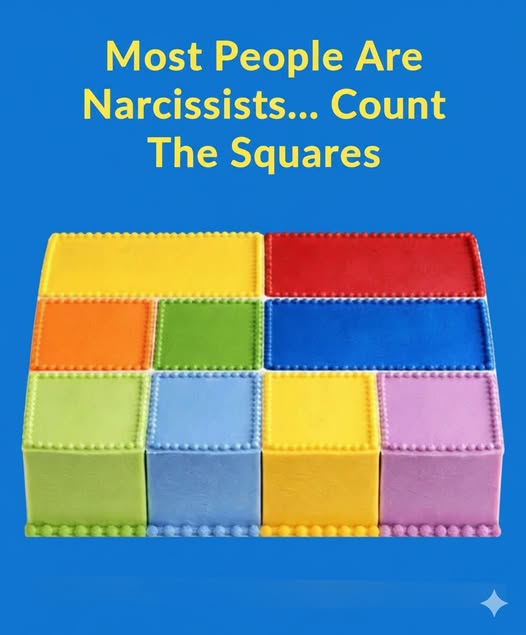
A square-counting puzzle looks easy until you actually try to solve it. At first, your eyes grab the obvious shapes and your brain rushes toward an answer. Then you look again and realize the image may not be as simple as it seemed.
That is the reason these visual challenges spread so quickly online. They are short, accessible, and frustrating in just the right way. You do not need advanced math to attempt them, but you do need patience, clear rules, and a willingness to question your first impression.
Why People Get Different Answers
The difficulty usually comes from how the puzzle is interpreted. Some people count only the fully visible squares. Others include partial shapes, front-facing squares, or squares that appear to overlap. In some versions, viewers may even imagine a three-dimensional stack and try to calculate what is hidden from view.
That means two people can stare at the same image and come away with different totals because they are not using the same rules. One person may be counting visible surfaces only, while another may be counting every square they believe exists in the structure.