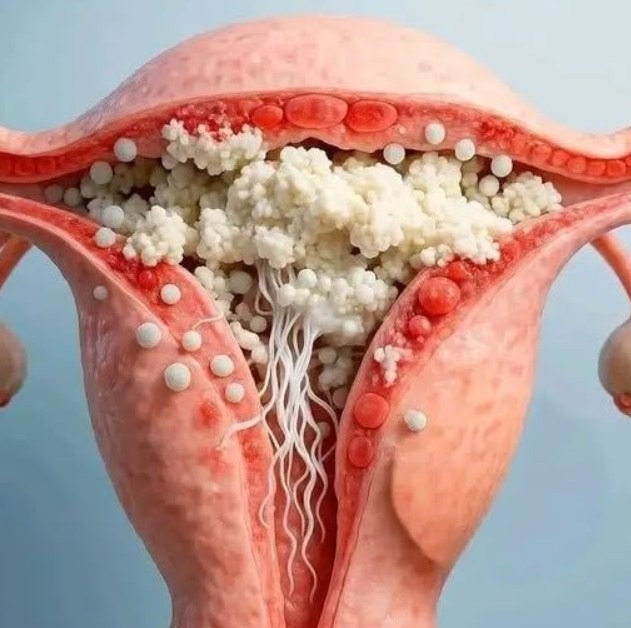
The Hormone and Fluid Shift You Don’t See
Physical arousal and activity can also trigger short-term changes in the body, including:
- Increased blood flow in the pelvic region
- Muscle contractions and relaxation around the bladder and pelvic floor
- Temporary shifts in hormones that affect muscle tone and fluid balance
For some people, these changes may also encourage the kidneys to filter fluids a bit more efficiently for a short time, which can increase urine production. The result: the urge can feel immediate and hard to ignore.
The Real Benefit: A Simple, Natural Defense Against UTIs
Here’s where it becomes more than just a sensation. Urinating afterward can help support urinary tract infection (UTI) prevention.
UTIs often start when bacteria enter the urethra and travel up into the bladder. The bacteria are usually not “rare” or exotic—they often come from organisms that naturally live in and around the digestive tract. During close contact, bacteria can shift closer to the urethral opening. If they linger, they have more opportunity to move upward and multiply.
When you urinate, the flow of urine helps flush the urethra, reducing the chance that bacteria will stick to the lining and cause irritation or infection. It’s a simple habit, but it’s one of the most practical, low-effort ways to support urinary health.
Why Women Are More Prone to UTIs
While anyone can get a UTI, women tend to be at higher risk due to anatomy. The female urethra is shorter and located closer to areas where bacteria are more common. That shorter distance can make it easier for bacteria to reach the bladder.
This doesn’t mean infections are guaranteed—it just means prevention strategies matter more. And one of the easiest is responding to that post-intimacy urge instead of delaying it.
Comfort Matters Too: Reducing Irritation and Sensitivity
After physical activity, pelvic tissues can be more sensitive. If bacteria or residual fluids remain in the area, some people may feel irritation or discomfort.
Emptying your bladder can help the body “reset” by clearing the urinary pathway and supporting a return to normal comfort levels—especially if you’re prone to burning, pressure, or recurring urinary issues.
What If Your Urine Looks or Smells Different?
Some people notice lighter color or a milder odor afterward. That’s often linked to hydration and how diluted the urine is. Clearer urine typically means it’s less concentrated.
What matters most is not overanalyzing normal variation, but paying attention to warning signs like persistent burning, fever, pelvic pain, or cloudy/foul-smelling urine that doesn’t improve—those can signal a UTI that may need medical care.
Why Holding It Can Backfire
Ignoring the urge to urinate can work against what your body is trying to do. When urine sits in the bladder too long, bacteria have more time to multiply. Over time, repeatedly delaying urination can increase the risk of irritation and infection—especially for people who are already susceptible.
If you have conditions that affect immune response (such as diabetes), preventive habits become even more valuable because infections can be harder to manage once they start.
Extra Habits That Support Urinary Tract Health
Urinating after intimacy is helpful, but it’s even more effective when paired with a few simple routines:
- Stay hydrated so your body can flush the urinary system regularly
- Maintain gentle hygiene and avoid harsh, irritating products in sensitive areas
- Pay attention to your body’s signals—burning, urgency, and frequent urination can be early clues
A Normal Signal Worth Listening To
This urge isn’t embarrassing, unusual, or meaningless. It’s one of the many ways your body protects itself through smart design and quick responses. Often, the best health habits aren’t complicated—they’re the ones that work with your biology instead of fighting it.
Listening to your body, even in small moments like this, is a simple form of self-care that can make a real difference over time.
Want more practical wellness tips like this? Share your thoughts in the comments and let us know what topic you’d like covered next—your questions often shape the next article.