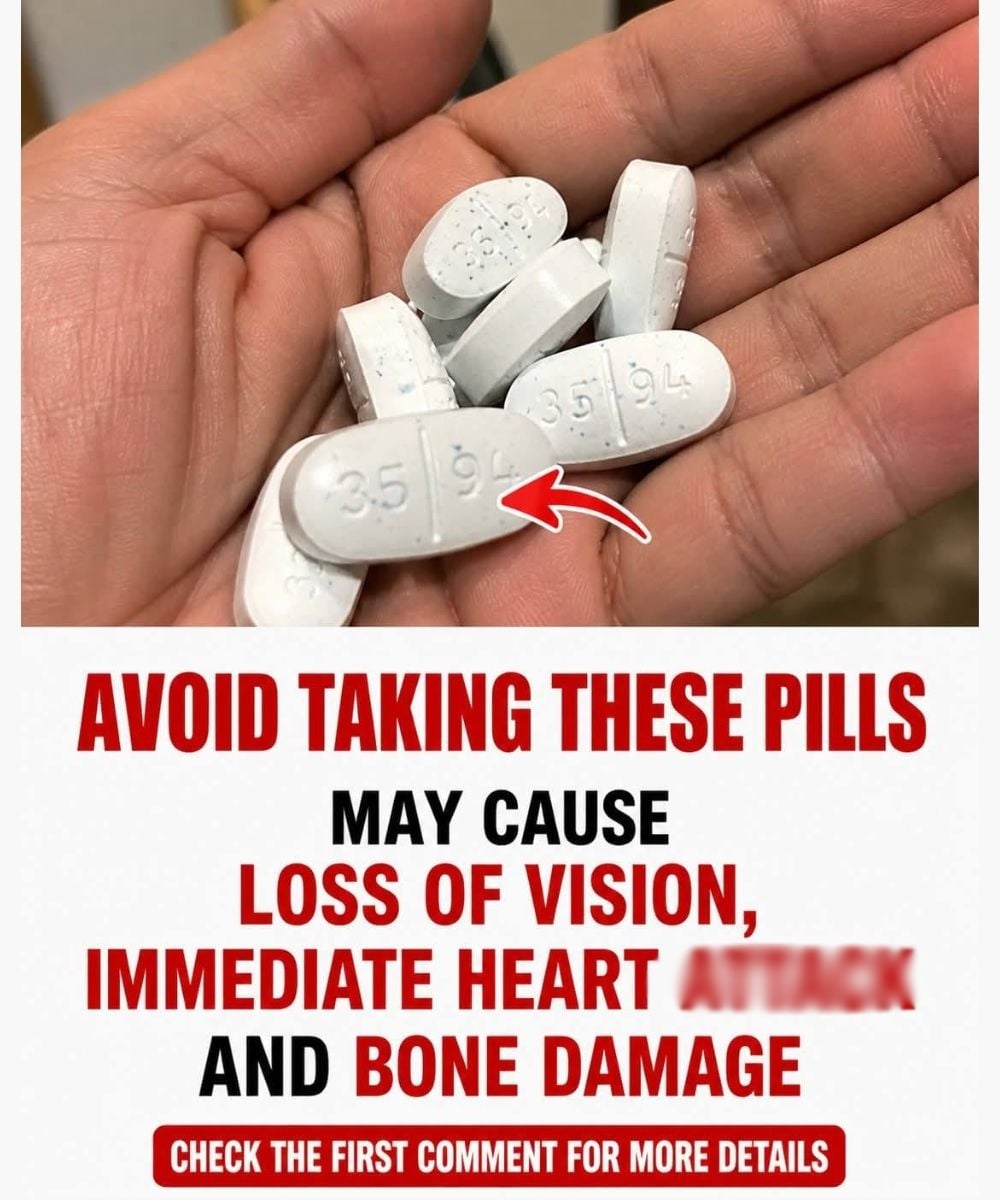
- Hormonal contraceptives (certain birth control pills and hormone-based methods)
- Some anti-inflammatory pain relievers (including certain NSAIDs, especially with long-term or high-dose use)
- Some weight-loss medications (particularly those affecting appetite, metabolism, or heart rate)
- Select treatments used during COVID-19 care (depending on the patient’s condition and overall risk profile)
Important: Many people take these medications without any problem. The key is personal risk assessment and using them under proper medical guidance.
Warning Signs You Should Never Ignore
If you recently started a new medication, changed your dose, or combined medicines—and you notice any of the following symptoms—treat it as urgent:
- Chest pain or pressure
- Shortness of breath or sudden difficulty breathing
- Swelling, pain, warmth, or redness in one leg (possible DVT)
- Severe headache that feels unusual for you
- Vision changes, confusion, or trouble speaking
- Fast, pounding, or irregular heartbeat
These can be signs of a medical emergency. Seek immediate medical care if symptoms are severe or sudden.
Don’t Stop Medication on Your Own
Stopping a prescribed tablet abruptly can sometimes be dangerous. If you’re worried about clot risk or heart side effects:
- Contact your doctor or pharmacist as soon as possible
- Ask whether you have any personal risk factors that require a different option
- Discuss safer alternatives, dose adjustments, or monitoring
How to Protect Yourself (and Others)
The best protection is staying informed and proactive:
- Read the medication guide and follow dosing instructions carefully
- Check for official safety updates from trusted health authorities
- Report unexpected side effects to your healthcare provider
- Keep a list of all medications and supplements you take to avoid interactions
Final Thought
Medicines can be powerful tools for better health, but they should never be taken “blindly.” Understanding potential risks—especially if you’re in a higher-risk group—can help you make safer decisions and get the right care quickly if something feels off.
CTA: Have you ever experienced side effects after starting a new medication? Share your experience in the comments, and consider subscribing/bookmarking for more easy-to-understand health and medication safety updates.