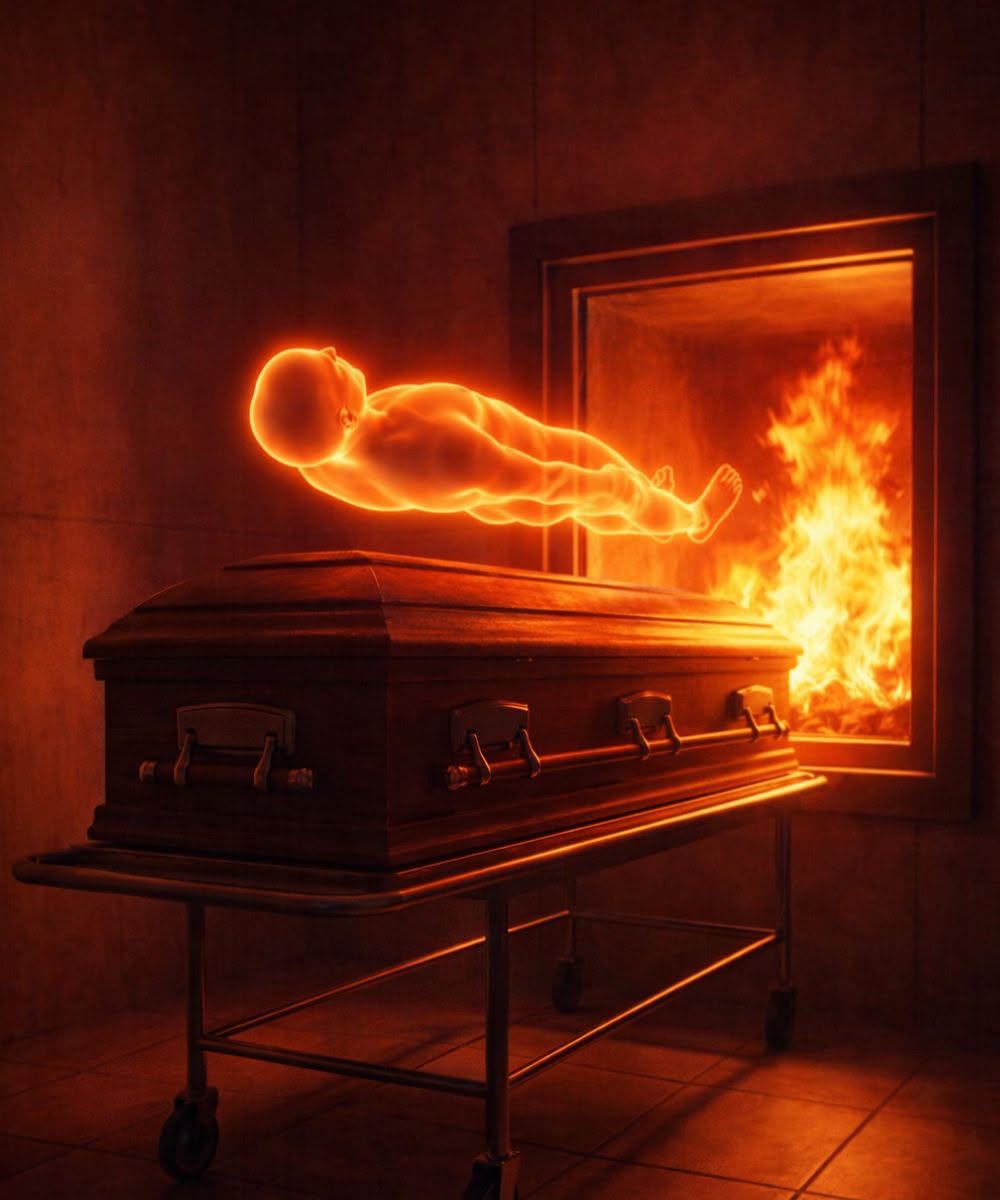
Burning Bodies Was Rarely Presented Positively
References to burning bodies in Scripture are extremely limited and usually connected to extraordinary circumstances such as:
War
Judgment
Disaster
Punishment
Emergency situations
These examples were not described as ideal funeral customs, but as responses to crisis conditions.
That distinction continues shaping how many believers view cremation today.
The Human Body Is Described as Sacred
One of the strongest themes throughout Scripture is the idea that the human body carries dignity because it was created by God.
The body is repeatedly described as:
A trust
A responsibility
Part of divine creation
Because of this, many religious communities continue viewing burial as the most respectful way to return the body to the earth.
For some believers, cremation feels emotionally difficult because it appears to conflict with that sense of sacred care.
Does Cremation Affect Resurrection?
One of the most common fears surrounding cremation involves resurrection and life after death.
But many scholars emphasize that divine power is not limited by physical remains.
Throughout history, countless people have died in:
Fires
Floods
Wars
Natural disasters
Situations where bodies were never recovered
Faith traditions generally teach that resurrection depends on God’s power — not the condition of physical remains.
Why Many Believers Still Prefer Burial
Even without a direct biblical prohibition against cremation, many people continue preferring burial for spiritual and symbolic reasons.
Supporters of burial often say it reflects:
Humility before God
Patience with the natural process
Respect for the body
Connection to sacred tradition
For centuries, burial represented reverence, remembrance, and preparation for the life to come.
Intention Matters Deeply in Faith
Religious teachers frequently emphasize that motives matter as much as actions.
A family choosing cremation due to financial hardship, limited options, or practical necessity is viewed very differently than someone acting from disrespect or disregard for sacred values.
Faith traditions often focus heavily on:
Sincerity
Humility
Respect
Spiritual intention
Rather than legalistic judgment alone.
The Debate Reflects Larger Questions About Modern Life
The growing conversation around cremation also reflects broader tensions between modern convenience and ancient spiritual tradition.
As funeral costs rise and cultural practices evolve, many families feel caught between practical realities and deeply held beliefs.
That emotional conflict explains why the topic continues generating strong opinions across religious communities worldwide.
Most Religious Leaders Encourage Respect Above All
Many scholars and faith leaders take a balanced approach:
Burial remains the preferred traditional practice.
Cremation is often discouraged rather than directly condemned.
And above all, dignity and reverence remain essential regardless of the decision made.
In the end, many spiritual teachers emphasize that a person’s relationship with God matters far more than the exact method of burial.
What Ultimately Matters Most
According to Scripture, the things that follow a person beyond death are not possessions or funeral arrangements.
They are:
Faith
Character
Compassion
Integrity
Righteous living
No grave or fire determines eternal destiny.
Spiritual accountability belongs to God alone.
Final Thoughts
The question surrounding cremation continues touching deeply personal emotions involving faith, family, mortality, and tradition.
While burial remains the preferred practice throughout much of Scripture, many believers also trust in God’s mercy, understanding, and power beyond physical circumstances.
For countless families, the most important decision is not simply how the body is handled after death — but whether the process reflects dignity, humility, faith, and respect.
Because in the end, sacred teachings consistently point back to one truth:
How a person lived matters far more than how they were laid to rest.