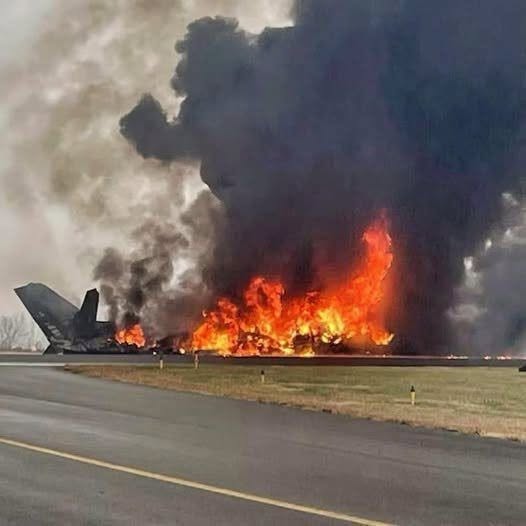
Following the accident, investigators conducted a comprehensive examination of the event. They analyzed flight recorder data, cockpit communications, aircraft systems, maintenance records, weather conditions, and air traffic control communications to determine what led to the accident.
One of the factors examined during the investigation was wind shear—a sudden change in wind speed or direction that can make landing significantly more difficult. Investigators carefully evaluated this and every other possible contributing factor before reaching their final conclusions.
The accident temporarily disrupted operations at Dubai International Airport, one of the world’s busiest aviation hubs. Numerous flights were delayed, diverted, or rescheduled while emergency crews secured the runway and investigators documented the scene. Airport operations gradually returned to normal after safety inspections were completed.
The loss of the aircraft demonstrated the aviation industry’s commitment to learning from every serious incident. Each investigation provides valuable lessons that help airlines, aircraft manufacturers, pilots, and aviation regulators strengthen procedures and improve safety standards around the world.
For many passengers, Flight EK521 became a life-changing experience, illustrating how an ordinary journey can change within moments. At the same time, it highlighted the professionalism of the pilots, cabin crew, firefighters, medical personnel, and airport staff whose training and teamwork ensured that every passenger escaped safely.
The legacy of Emirates Flight EK521 extends far beyond the runway. It serves as a lasting reminder of the importance of aviation safety, emergency preparedness, and the dedication of the people who respond when every second counts.
What are your thoughts on the training and coordination that make emergency evacuations successful? Share your perspective in the comments, and if you found this article informative, consider sharing it with others interested in aviation safety.