Calls for Improved Safety Measures
The latest collision has fueled discussions about preventing similar incidents through enhanced technology and driver awareness.
Among the measures often proposed are:
- Automated over-height detection systems
- Advanced warning signs before low-clearance structures
- Enhanced driver training programs
- Fleet monitoring technologies
- Stronger operational safety protocols
Advocates argue that combining technology with education can significantly reduce the risk of avoidable bridge impacts.
The Cost of a Single Oversight
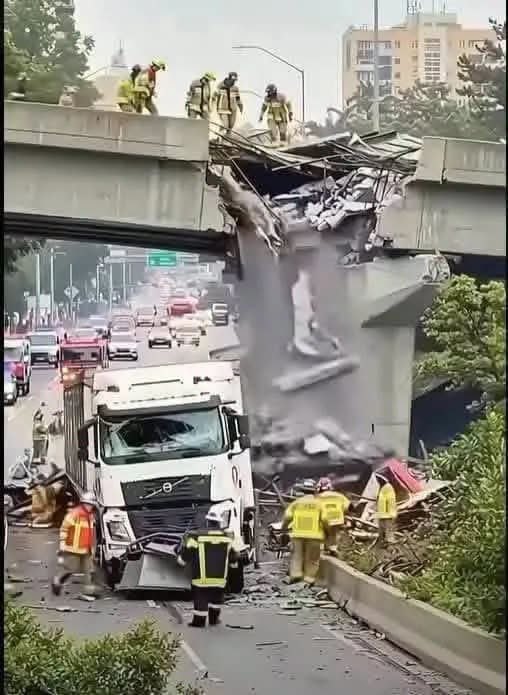
Although no major injuries were reported, the incident illustrates how one mistake can have widespread consequences.
Bridge strikes can lead to expensive repairs, prolonged traffic delays, interruptions to commercial transportation, and extensive investigations. They also place emergency responders, commuters, and nearby workers at unnecessary risk.
For infrastructure managers, each event reinforces the importance of preventive measures rather than reactive repairs.
Looking Ahead
As cleanup operations conclude and officials complete structural evaluations, transportation authorities continue reviewing the circumstances surrounding the collision.
The event serves as a reminder that roadway safety depends on careful planning, proper vehicle operation, and ongoing investment in infrastructure protection.
While traffic will eventually return to normal, incidents like this highlight the importance of vigilance and continuous improvements aimed at preventing future accidents.
What safety measures do you think could best reduce bridge strikes involving commercial vehicles? Share your thoughts in the comments and join the conversation below.