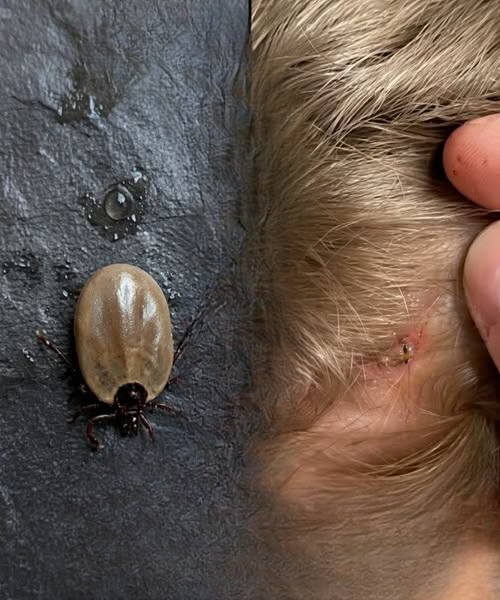
First: Don’t Panic—Tick Transmission Usually Takes Time
While some ticks can carry germs that cause illness, transmission often requires the tick to be attached for a period of time. That’s why quick removal is one of the best immediate defenses.
The goal is simple: remove the tick safely, clean the area, then monitor your child for changes over the next few weeks.
How to Remove a Tick from Hair and Scalp Safely
The safest tool is fine-tipped tweezers. If you have a tick removal tool, that can work too—but tweezers are usually easiest at home.
Step-by-step tick removal
- Part the hair and expose the tick clearly (good lighting helps).
- Grip the tick with tweezers as close to the skin as possible—aim for the head/mouth area, not the swollen body.
- Pull upward steadily with firm, even pressure. Don’t twist, jerk, or yank.
- Confirm the tick is fully removed. The goal is to remove the entire tick, including mouthparts.
- Clean the bite area with soap and water, then apply an antiseptic if available.
What not to do
Avoid “home remedies” that can backfire, such as:
- Burning the tick
- Coating it with petroleum jelly, nail polish, or oils
- Squeezing the tick’s body to force it out
These methods can irritate the skin and may cause the tick to release more saliva, which you want to avoid.
After Removal: What to Do With the Tick
Try not to crush the tick with your fingers. If you want to save it for possible identification later, place it in a sealed container or zip bag.
If you’re disposing of it, you can:
- Put it in rubbing alcohol
- Seal it tightly in a bag and throw it away
- Flush it down the toilet
Watch for Symptoms (Without Staring at the Bite All Day)
It’s easy to become hyper-focused on the bite afterward. Mild redness or irritation can be normal with any insect bite and doesn’t automatically mean infection or disease.
What matters most is how things change over time.
Call a healthcare provider if your child develops:
- Fever, chills, or flu-like symptoms
- New or worsening headache, fatigue, or body aches
- Joint pain or swelling
- Swollen lymph nodes
- A spreading rash (including a “bullseye” rash, though it doesn’t always appear)
- Any unusual symptoms that concern you
Many tick-related illnesses are easier to treat when caught early—so paying attention is smart. But it’s also important not to assume the worst: most tick bites do not lead to serious illness.
Where Ticks Commonly Hide on Children
Ticks prefer warm, protected areas. When checking your child, pay special attention to:
- Along the scalp and hairline
- Behind the ears
- Back of the neck
- Under the arms
- Around the waistline
- Behind the knees
- Groin area
A quick check after outdoor play—especially before bedtime—can prevent long attachments and reduce worry.
Common Mistakes Parents Make (And How to Avoid Them)
- Removing the tick with fingers only: This can cause the tick to break, leaving pieces behind and irritating the skin.
- Rushing without tools: Take 30 seconds to grab tweezers and good light. Slow is safe.
- Crushing the tick after removal: Avoid direct contact; use alcohol or a sealed bag.
- Checking the bite constantly: Look for changes across days, not minute-by-minute.
Tick Prevention That Actually Works (Without Killing Outdoor Fun)
Kids should still enjoy nature, parks, and adventures. The goal is simple: build a routine that lowers risk.
Practical prevention tips
- Do quick tick checks after outdoor time, especially during spring and summer.
- Dress smart in tick-heavy areas (long sleeves/pants when possible).
- Keep yards maintained by trimming tall grass and clearing brush near play areas.
- Shower or bathe after outdoor play when practical—this can help spot ticks sooner.
Don’t Forget Pets: A Hidden Source of Ticks at Home
Even if your child wasn’t in tall grass, pets can bring ticks indoors. Dogs, in particular, can pick up ticks during walks, backyard time, or trips to parks. Ticks may crawl onto carpets, blankets, or furniture before attaching to a person.
Helpful habits include:
- Regular pet grooming
- Checking pets after outdoor activity
- Using veterinarian-approved tick prevention products
If You Feel Guilty, Read This
Many parents blame themselves when they find a tick. But ticks are incredibly small and easy to miss—even for careful, attentive families.
Finding one doesn’t mean you failed. What protects your child most is what you do next: calm removal, proper cleaning, and sensible monitoring.
When to Seek Urgent Medical Care
Most cases are manageable at home, but don’t ignore serious symptoms. Seek medical advice promptly if your child has concerning or rapidly worsening symptoms—especially fever, significant rash, severe headache, unusual weakness, or anything that worries you as a parent.
Final Thought: Calm Is a Safety Tool
Ticks are worth taking seriously—but they’re not a reason to panic. Clear thinking leads to better removal, better decisions, and a calmer child. A few minutes of careful action can make a big difference.
CTA: Have you ever had to remove a tick from your child or pet? Share what helped you stay calm—and if you found this guide useful, pass it along to another parent who could use the peace of mind.