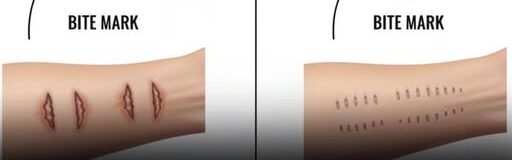
Staying Calm After a Snakebite Is Extremely Important
If a snakebite occurs, panic can make the situation worse.
Medical experts stress that remaining as calm and still as possible may help slow venom movement through the body while emergency help is contacted.
The first priority should always be calling emergency medical services immediately.
What To Do If Someone Is Bitten
Health professionals generally recommend several important first steps:
Move away from the snake safely
Keep the affected person calm
Limit movement as much as possible
Keep the bitten limb immobilized if possible
Follow guidance from emergency responders
In certain venomous snakebite situations, trained professionals may recommend pressure immobilization techniques depending on local medical guidelines and snake species.
Dangerous Snakebite Myths Still Exist
Experts strongly warn against outdated or risky methods sometimes seen online or in movies.
People should never:
Attempt to cut the wound
Try to suck out venom
Apply ice directly
Use tourniquets improperly
Attempt to capture the snake dangerously
These actions can increase injury risk and delay proper medical treatment.
Fast Medical Care Matters Most
Modern emergency treatment significantly improves outcomes for most snakebite victims when care is received quickly.
Doctors may monitor:
Swelling
Pain levels
Breathing
Circulation
Possible venom reactions
Prompt evaluation allows medical professionals to determine the safest treatment approach based on symptoms and regional snake species.
Most Snakes Prefer Avoiding Humans
Wildlife experts also remind people that most snakes are not aggressive toward humans and typically avoid confrontation whenever possible.
Many bites occur when snakes are accidentally stepped on, cornered, or intentionally approached.
Respecting wildlife from a safe distance remains one of the best ways to prevent dangerous encounters.
Outdoor Awareness Can Reduce Risk
Simple awareness often becomes the strongest protection outdoors.
Experts recommend:
Looking before reaching into hidden spaces
Using flashlights at night outdoors
Staying alert near water, rocks, or woodpiles
Teaching children not to approach wildlife
Preparedness and caution can dramatically lower the chances of a dangerous encounter.
Why Basic First Aid Knowledge Matters
Emergencies become less overwhelming when people understand basic safety steps ahead of time.
Learning simple first aid information before it is ever needed can help individuals react more confidently and avoid panic during stressful situations.
Knowledge may not prevent every emergency — but it can help people respond more safely when unexpected moments happen.
Final Thoughts
Snake encounters can feel frightening, especially when they happen suddenly and without warning.
But experts say calm thinking, quick medical attention, and basic safety knowledge remain the most effective tools during a snakebite emergency.
Preparation, awareness, and respecting wildlife can go a long way toward keeping outdoor experiences both safe and enjoyable.
If you found this safety information helpful, share it with friends and family who enjoy hiking, gardening, camping, or spending time outdoors.