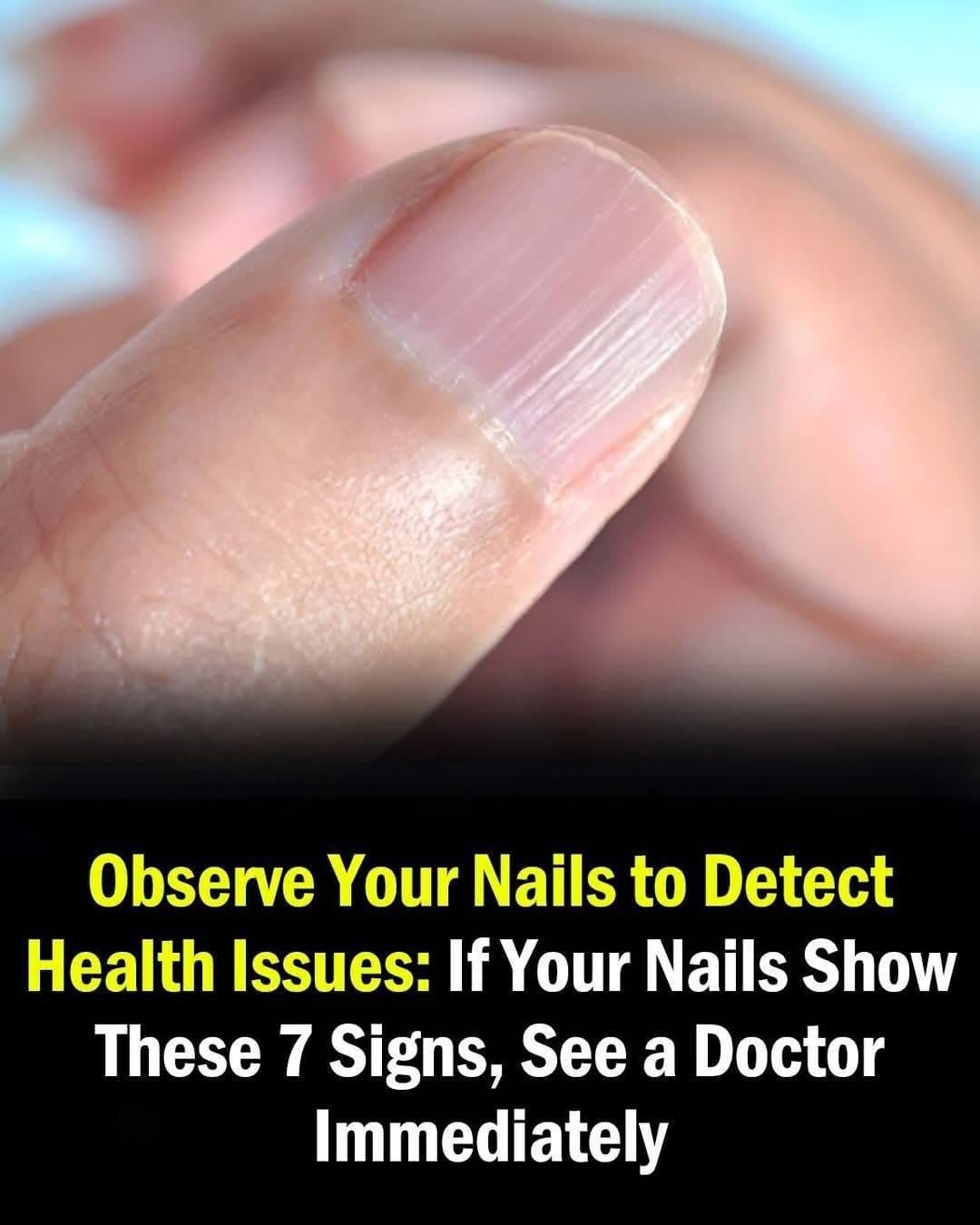
Beau’s lines are not always dangerous on their own, especially if they follow a known illness. But if they keep returning or appear without an obvious reason, a GP visit can help rule out an underlying issue.
Curved nails with swollen fingertips: Nail clubbing happens when the nails curve downward and the fingertips appear enlarged. Because it usually develops slowly, some people may not notice it at first. Dr. Shah has linked this type of change with possible heart disease, especially when it appears alongside symptoms such as swollen ankles, severe fatigue, or chest pain.
Some people naturally have clubbed-looking nails, but a significant new change in nail shape should be checked by a doctor, particularly if other symptoms are present.
Spoon-shaped nails: Nails that dip inward, sometimes called spoon nails, are often associated with iron-deficiency anemia. This can happen after pregnancy, with poor nutrition, digestive problems, or conditions such as celiac disease. Other possible symptoms include pale skin, headaches, and shortness of breath.
Dr. Shah advises booking a GP appointment if spooning appears, since a blood test can confirm whether anemia is present. Treatment may include iron supplements or dietary changes, depending on the cause.
Small dents or pits: Tiny pits on the nail surface can be linked to inflammatory skin and immune-related conditions, including psoriasis, eczema, and alopecia areata. Psoriasis may also cause dry, scaly skin patches, while eczema can bring redness, itching, and cracked skin. Alopecia areata is associated with patchy hair loss.
Mild pitting may not require treatment, but more noticeable or bothersome cases are best discussed with a dermatologist. Treatments may include corticosteroids or vitamin D3 therapy alongside care for the underlying condition.
Color changes can also carry clues
A dark vertical streak: A dark line running down the nail is not always cancer, but it should not be ignored if it is new, unexplained, or changing. One possible concern is subungual melanoma, a rare form of melanoma that develops under the nail.
Melanoma is the most serious type of skin cancer and can spread if left untreated. A dermatologist can examine the nail and decide whether further testing is needed. Early evaluation is especially important when discoloration grows, darkens, or changes over time.
Mostly white nails with a narrow pink or red tip: Terry’s nails occur when most of the nail bed looks white, with only a small band of normal color near the end. This can happen with aging, but it has also been associated with liver disease, diabetes, and heart disease.
When liver issues are involved, other symptoms may include jaundice, fatigue, or loss of appetite. A medical evaluation can help determine whether the nail change is harmless or connected to a broader health concern.
Yellow nails: Yellowing is commonly caused by fungal infections, which may also make the nail thick, brittle, crumbly, or separated from the nail bed. These infections can take time to treat and often require patience.
However, yellow nails can also be linked with conditions such as thyroid disease, diabetes, psoriasis, or lung disease. If the yellow color cannot be explained by nail polish or a known fungal infection, it is reasonable to ask a doctor for guidance.
What Readers Should Know
Nail changes are not a diagnosis by themselves. They are better understood as possible signals, especially when they appear along with other symptoms or persist for weeks. A doctor, GP, or dermatologist can look at the full picture and decide whether blood tests, skin treatment, or further evaluation is needed.
For many people, the best approach is simple: check your nails occasionally, notice what is new, and avoid dismissing changes that are persistent or unusual. It is a small habit, but it can be a useful part of staying aware of your overall health.
If something about your nails looks different and you cannot explain why, keep an eye on it and consider getting professional advice rather than guessing.