That is why context matters. A restless leg does not always mean anxiety. A confident stride does not mean a person has never struggled. Movement can reflect personality, but it can also reflect the day someone is having, the shoes they are wearing, their physical routine, or how comfortable they feel in a particular setting.
Our bodies collect patterns over time. A runner may move with a different rhythm than someone who spends long hours at a desk. A dancer, a retail worker, a teacher, or a person who regularly lifts and carries things may each develop a different physical style. Daily life leaves an imprint on posture and movement.
Why Your Stance Is Not Something to Judge
It is easy for people to turn body language into a way of labeling others, but that misses the bigger point. The way someone moves is only one small part of their story.
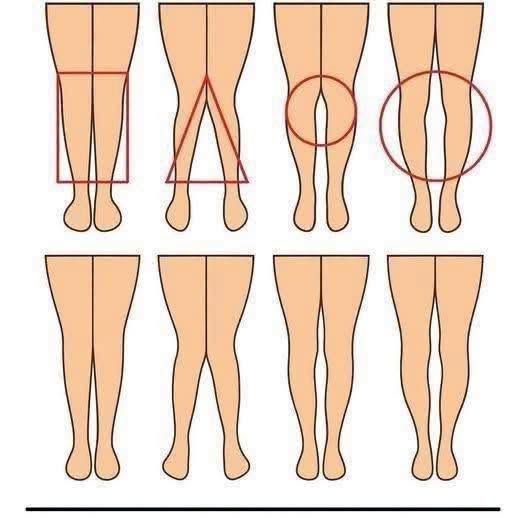
Leg shape, walking style, posture, and balance can be influenced by anatomy, genetics, footwear, lifestyle, past activity, and personal comfort. There is no single perfect way for every body to look or move. Human bodies vary widely, and that variation is normal.
This is especially important in a culture that often pressures people to compare themselves with unrealistic standards. Legs are not simply something to evaluate for appearance. They carry us through workdays, errands, family life, travel, exercise, celebrations, and difficult seasons.
They are part of how we participate in the world.
Clothing can also change how movement is expressed. Loose clothing may allow a more relaxed stride, while structured outfits may create a more controlled appearance. Shoes can affect comfort, posture, and pace. Even in professional settings, workplace ergonomics and long periods of sitting or standing can shape how someone moves by the end of the day.
The Bigger Picture
Interest in reading posture and movement has existed for a long time. People naturally look for meaning in how others carry themselves. That curiosity is understandable, but it should be used carefully.
A strong step does not prove someone is fearless. A quiet posture does not mean weakness. Crossed legs, tapping feet, or a slow walk can have many explanations. Body language is best understood as a clue, not a conclusion.
The more useful lesson may be personal awareness. Notice how you stand when you feel comfortable. Notice what happens to your posture when you are stressed, tired, rushed, or relaxed. Pay attention to how your feet meet the ground and how your body carries you through a room.
That awareness can make movement feel less like something to criticize and more like something to understand. It may even encourage small choices that support comfort, such as stretching during a long workday, choosing better-fitting shoes, or taking breaks from sitting when possible.
Your walk and stance are not a full biography, but they are part of the way you move through life. The next time you take a step, consider what your body has carried you through already — and where it may be taking you next.