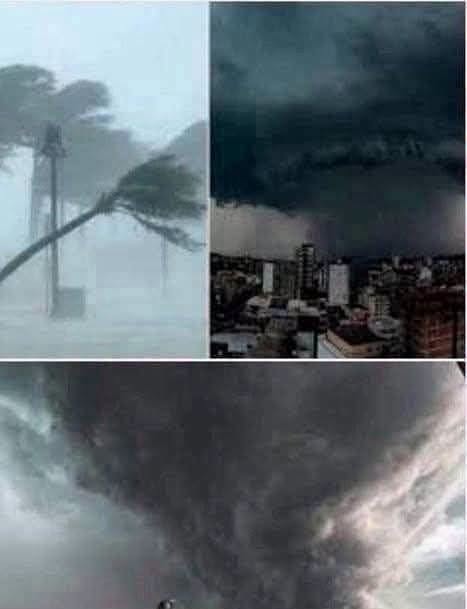
That is why emergency guidance during severe weather is often simple but important: get indoors, stay away from windows, avoid unnecessary travel, and do not approach damaged power lines or debris.
As the storm moved through, streets became difficult to see behind heavy rain. The wind hammered buildings, and parts of the community lost power. In an outage, basic routines can become difficult quickly, especially when phone batteries run low, internet access becomes unreliable, and families are waiting for official updates.
Power failures during severe storms often happen when trees, branches, or flying debris damage electrical equipment. Restoring service can take time because crews must first assess conditions and make sure it is safe to work.
Neighbors Became Part of the Response
As the weather worsened, residents gathered in safer indoor spaces and designated shelters where available. Families waited for alerts, parents tried to keep children calm, and people shared resources where they could.
Some residents checked on elderly neighbors. Others offered phone chargers or helped pass along official information. In moments like this, a storm can expose how connected a community really is.
Weather radios, emergency notifications, and trusted local updates became essential. A storm may sound calmer for a short period, but that does not always mean the danger has passed. Conditions can shift again, and leaving shelter too early can create unnecessary risk.
Why This Matters
Once the worst of the storm eased, residents began seeing the damage left behind. Power remained out in some areas, and emergency crews faced the task of checking roads, buildings, utility lines, and other infrastructure.
Storm damage can also create financial pressure for households and local businesses. Repairs to roofs, vehicles, fences, appliances, and electrical systems can become costly, and many property owners may need to review insurance coverage, document damage carefully, and keep records of emergency expenses.
The larger lesson is that severe weather preparation matters before the first warning arrives. Charging devices, securing outdoor items, knowing the safest place inside a home, and having a basic emergency plan can make a real difference when conditions change quickly.
Region B’s storm is a reminder that a normal afternoon can become dangerous in minutes. When alerts arrive and the wind starts rising, the safest choice is often the simplest one: get inside, stay informed, and wait for the all-clear.
As cleanup continues, the focus now turns to recovery, repairs, and being better prepared for the next severe weather threat.