For families in situations like this, the emotional burden often comes with a financial one. Food, clothing, school needs, transportation, utilities, and medical appointments can quickly overwhelm a caregiver, especially when the arrangement was never planned.
In this story, every sacrifice had a name attached to it. Every skipped meal and unpaid bill represented a choice the grandmother made so the children could keep going.
The Money Changed Everything
Daniel’s question about the account ended whatever hope remained that the past could be explained away as a misunderstanding. To the grandmother, it showed that the children’s parents had not only walked away from debt and responsibility, but had also returned with their priorities unchanged.
Her response was firm. She closed the account and directed the money to the grandchildren.
It was not described as revenge. It was the clearest decision she could make after years of being the one who stayed. The children had already paid enough for choices they did not make, and she believed whatever remained should support them.
The Bigger Picture
At the heart of the story is a question many families understand: what makes someone a parent in the moments that matter most?
Biology may create a connection, but care is proven through consistency. In this family, love was measured in the long nights, the hard months, and the quiet work of showing up when leaving would have been easier.
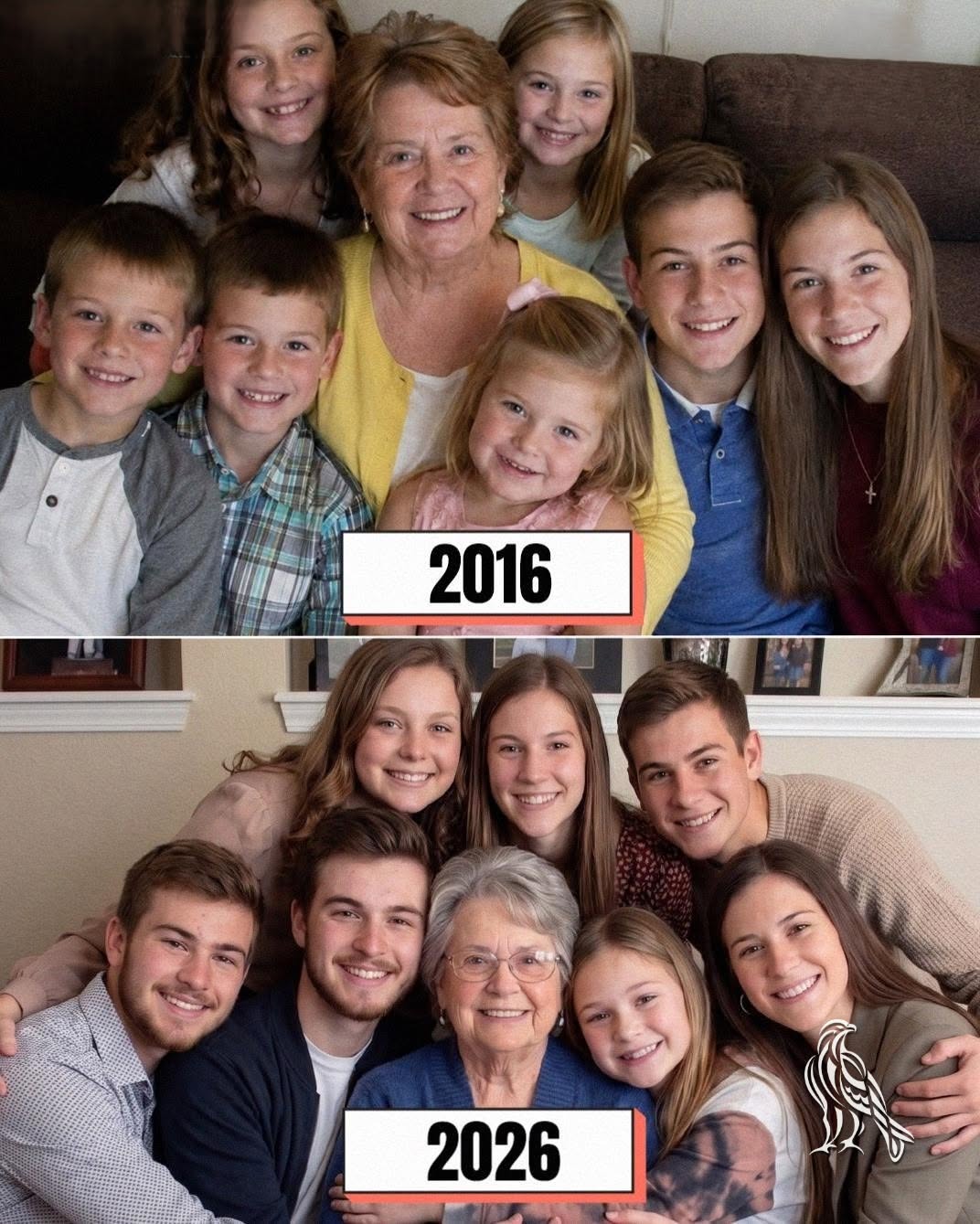
When the grandchildren embraced their grandmother, the answer was already there. She had become the person they could count on, and that mattered more than any promise made too late.
Stories like this linger because they ask readers to think about responsibility, family, and who truly carries the weight when children are left behind.