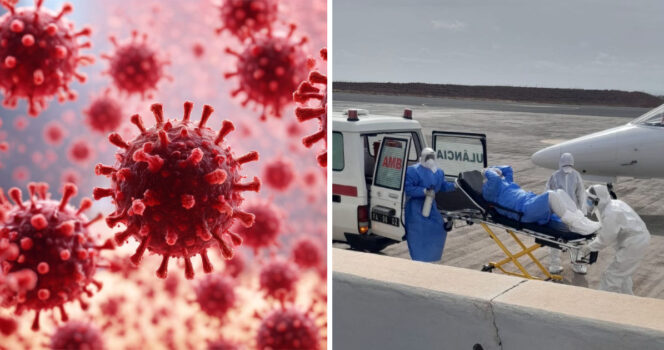
Importantly, the WHO’s current assessment is that the overall risk to the public remains low.
“This Is Not the Next Covid”—But It’s Still Serious
As speculation spreads, WHO epidemiologist Maria Van Kerkhove addressed comparisons to the early days of Covid-19 during a press briefing, pushing back on the idea that this is the start of another worldwide crisis.
Her message was direct: this is not “the next Covid.” However, she stressed that hantavirus infections can be severe, and fear among those directly affected is understandable. She also emphasized the importance of accurate information, noting that most people will never be exposed to the virus.
What Is Hantavirus and How Does It Spread?
Hantavirus is typically associated with exposure to infected animals—most often rodents. Infection can occur through contact with urine, droppings, or saliva, or by breathing in contaminated particles in enclosed spaces.
The WHO has warned that Hantavirus Cardiopulmonary Syndrome (HCPS) can have a high fatality rate, commonly estimated between 20% and 40%, which is why health authorities treat suspected outbreaks with urgency.
Why Investigators Are Looking Closely at This Cruise Ship Outbreak
One detail drawing attention is that no rodents have reportedly been found on the ship. Because rodent exposure is the most common route of infection, health experts are also examining whether person-to-person transmission could be involved.
While human-to-human spread is considered very rare for most hantaviruses, even the possibility warrants careful investigation—especially in a closed environment like a ship, where people share air systems and common areas.
What This Means for Travelers and the General Public
Right now, the WHO’s messaging is clear: take the situation seriously, but don’t jump to worst-case conclusions. The key focus is on case investigation, contact tracing, and medical monitoring—the same tools used to contain outbreaks before they expand.
If you’re concerned, the most practical step is to follow updates from reliable public health sources and avoid sharing unverified claims that can fuel panic.
Want timely, fact-checked updates on infectious disease outbreaks and global health alerts? Bookmark this page and share your thoughts in the comments—do you think misinformation spreads faster than viruses today?