The City Refused To Compromise on Appearance
Sedona officials reportedly made it clear that corporate branding would not outweigh environmental aesthetics.
The city’s beautification standards were already well known for limiting building colors, lighting, and commercial signage throughout the area.
For McDonald’s, this created an unusual challenge.
The golden arches are among the most recognizable brand symbols on Earth. Changing them was practically unheard of.
But Sedona refused to approve the standard design.
The Turquoise Solution Became History
After negotiations between corporate designers and city officials, an agreement was finally reached.
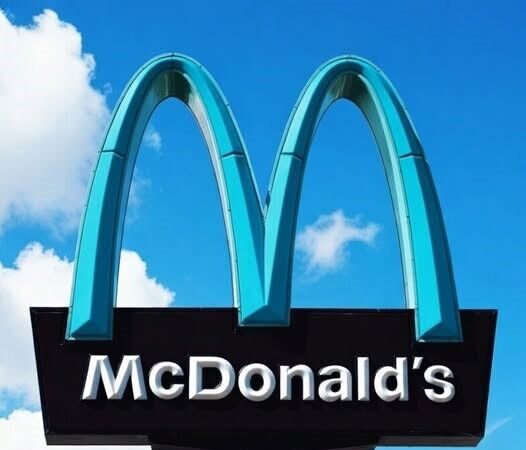
McDonald’s could keep the famous arch design — but not the bright yellow color.
Designers eventually selected a turquoise shade that blended more naturally with Sedona’s desert tones while still remaining recognizable to travelers and customers.
What began as a compromise quickly became one of the most famous McDonald’s locations in the world.
A Fast-Food Restaurant Became a Tourist Attraction
Today, visitors from around the globe stop specifically to photograph the rare turquoise arches.
What was once viewed as a frustrating restriction transformed into a unique landmark that attracts curious tourists, photographers, and travelers every year.
Many people visiting Sedona’s hiking trails and famous red rock views now add the unusual McDonald’s sign to their itinerary simply because it exists nowhere else on the planet.
Why the Story Still Fascinates People Decades Later
The turquoise arches represent something larger than fast food.
They symbolize a rare moment when a massive global corporation adapted itself to fit the identity of a local community instead of forcing the community to adapt around the brand.
Urban planners and branding experts still reference Sedona’s McDonald’s as an example of how commercial businesses can respect environmental and cultural values without losing brand recognition.
Sedona’s Commitment to Preservation Continues
Sedona remains one of the strictest cities in the country when it comes to protecting scenic aesthetics.
Building colors, signage, and architecture throughout the area are carefully regulated to preserve the natural desert atmosphere that attracts millions of visitors every year.
For many locals, the turquoise arches represent proof that even the world’s largest companies can adapt when communities prioritize preservation over commercial uniformity.
Final Thoughts
What started as a disagreement over signage became one of the most unusual fast-food landmarks in America.
The turquoise McDonald’s arches in Sedona continue attracting attention decades later because they tell a simple but powerful story: sometimes standing out means blending in.
And in a world filled with identical branding, one small design change turned an ordinary restaurant into a global curiosity.
If you enjoyed learning about this unique landmark, share this story with someone who loves unusual travel destinations and hidden American attractions.