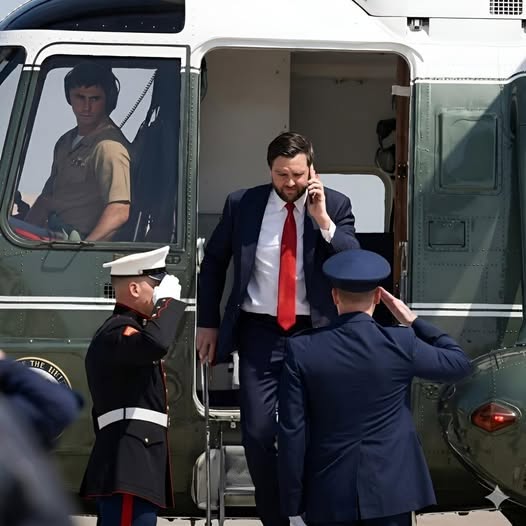
In moments like this, the public often sees only brief readouts and careful language. The more important work usually happens through private calls, side meetings, and direct coordination between governments.
Why This Matters
Diplomatic uncertainty can carry real-world consequences. Regional instability may influence energy markets, business planning, travel confidence, and the way governments prepare for security risks. Even when negotiations are quiet, investors, companies, and policy makers watch closely for signs of escalation or restraint.
That is why the continuation of talks matters. Ongoing communication does not guarantee success, but it can reduce the risk of miscalculation. For leaders, keeping the door open is often the safest available option when the stakes are high.
What Happens Next
For now, the clearest signal is that diplomacy remains active. More meetings may be added, more calls may take place, and official statements may continue to avoid the full details of what is being discussed.
The real test will be whether those private conversations lead to a calmer public posture and more predictable conditions in the days ahead. Until then, the schedule change is a reminder that some of the most important decisions are made before the cameras arrive.