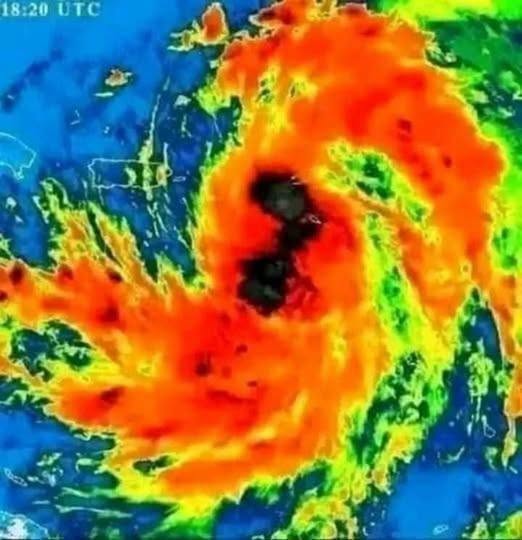
For readers in coastal or low-lying areas, the biggest mistake is assuming safety based only on where the center line appears to point. A small change in track can have major consequences for storm surge, evacuation routes, flight schedules, hotel availability, and local emergency services.
How to Separate Real Warnings From Viral Noise
During major storms, misleading posts often spread quickly. Some recycle old satellite images, exaggerate wind speeds, or attach the wrong storm name to a forecast model. Before sharing any warning, check the date, advisory number, and the agency that issued it.
Residents should rely on their national weather service, local emergency management office, and trusted broadcasters. Official bulletins are the best source for the storm’s current position, intensity, watches, warnings, and evacuation instructions.
This is especially important for families making costly decisions, such as leaving work early, booking hotel rooms, changing travel plans, buying supplies, or protecting property. Bad information can waste time and money, while delayed action can put people at risk.
What Readers Should Know Before Conditions Worsen
Preparation works best before roads are crowded and stores are running low. Families in areas that could be affected should review evacuation zones, decide where they would go, and keep vehicles fueled. Basic supplies include identification, medicine, water, food, flashlights, batteries, phone chargers, pet supplies, and important documents stored in waterproof containers.
Homeowners and renters should secure outdoor furniture, tools, and loose items that could become airborne in strong winds. It is also wise to know where insurance documents, lease information, medical records, and emergency contacts are stored, especially if evacuation becomes necessary.
Evacuation orders should be taken seriously. Waiting until the weather visibly deteriorates can leave people trapped by traffic, flooding, or closed bridges. Those in mobile homes, low-lying coastal areas, or buildings not built to handle major winds may face greater danger. Anyone who needs transportation, medical equipment, or extra assistance should contact local authorities as early as possible.
People who are not told to evacuate still need a safe interior space away from windows. Phones should be charged, alerts should be enabled, and generators must be used outdoors, far from windows and doors, because carbon monoxide can be deadly. Floodwater should never be crossed on foot or by car, since depth, current, and road damage can be hidden.
After the storm, the danger may continue. Downed power lines, unstable structures, flooded roads, and debris can make returning home hazardous. Following local instructions remains important even after winds begin to ease.
Powerful hurricanes bring fear and uncertainty, especially when families may have to leave home without knowing what they will return to. The safest response is calm preparation based on verified information. Check on neighbors, keep plans flexible, and remember that supplies and readiness are never wasted, even if the storm ultimately turns away.