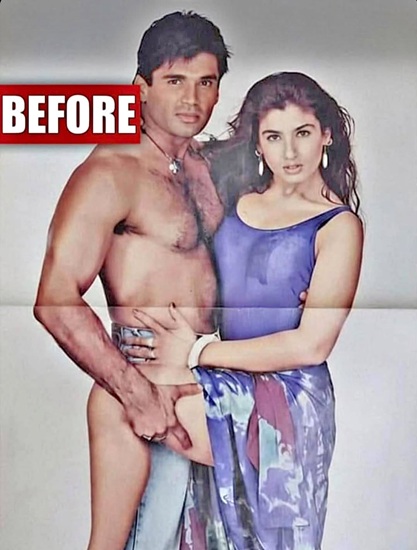
Algorithms also play a role. Posts that create strong responses are more likely to be shared, commented on, and shown to more users. That means a photo may spread not because anything is wrong with the relationship, but because people are reacting to what they think they see.
The problem is that a photograph captures only one moment. It cannot show years of trust, private conversations, shared challenges, family history, or emotional support. Still, comment sections often treat one image as if it contains the whole story.
What People Often Miss
Appearance can be part of attraction, but it is not the full measure of a relationship. Strong partnerships are usually built on qualities that are difficult to see from the outside: communication, respect, loyalty, patience, shared values, and the ability to support each other through ordinary life.
Those qualities do not always translate into a viral post. A couple may look unexpected to strangers while being completely ordinary to the people living the relationship. The gap between public perception and private reality is where much of the online judgment begins.
Unconventional couples can also challenge social expectations about age, style, culture, background, or appearance. When people see something outside their usual frame of reference, they may search for an explanation. But those explanations often reveal more about the observer’s assumptions than about the couple itself.
The Bigger Picture
Modern relationships are more visible than ever. Dating apps, social platforms, digital communities, and global communication have made it easier for people from different places and backgrounds to connect. As a result, relationships that once may have stayed private are now more likely to be seen by large audiences.
That visibility brings benefits, including support, representation, and connection. It also raises real concerns about privacy and online pressure. Being discussed by strangers can affect a person’s confidence and sense of safety, especially when comments become personal or speculative.
Some couples choose to ignore the noise. Others reduce what they share online or adjust privacy settings to protect their personal lives. Either way, their experience shows how quickly digital attention can turn private moments into public content.
There is also a more hopeful side. Many people use these moments to remind others that happiness does not always look familiar from the outside. Supportive comments can push back against shallow judgment and encourage a more thoughtful view of relationships.
In the end, no viral image can explain the full reality of a partnership. The strongest parts of a relationship are often the least visible: trust, kindness, understanding, and the choice to keep showing up for each other.
Before judging a couple from a photo, it may be worth remembering how little any of us can truly know from a single frame.