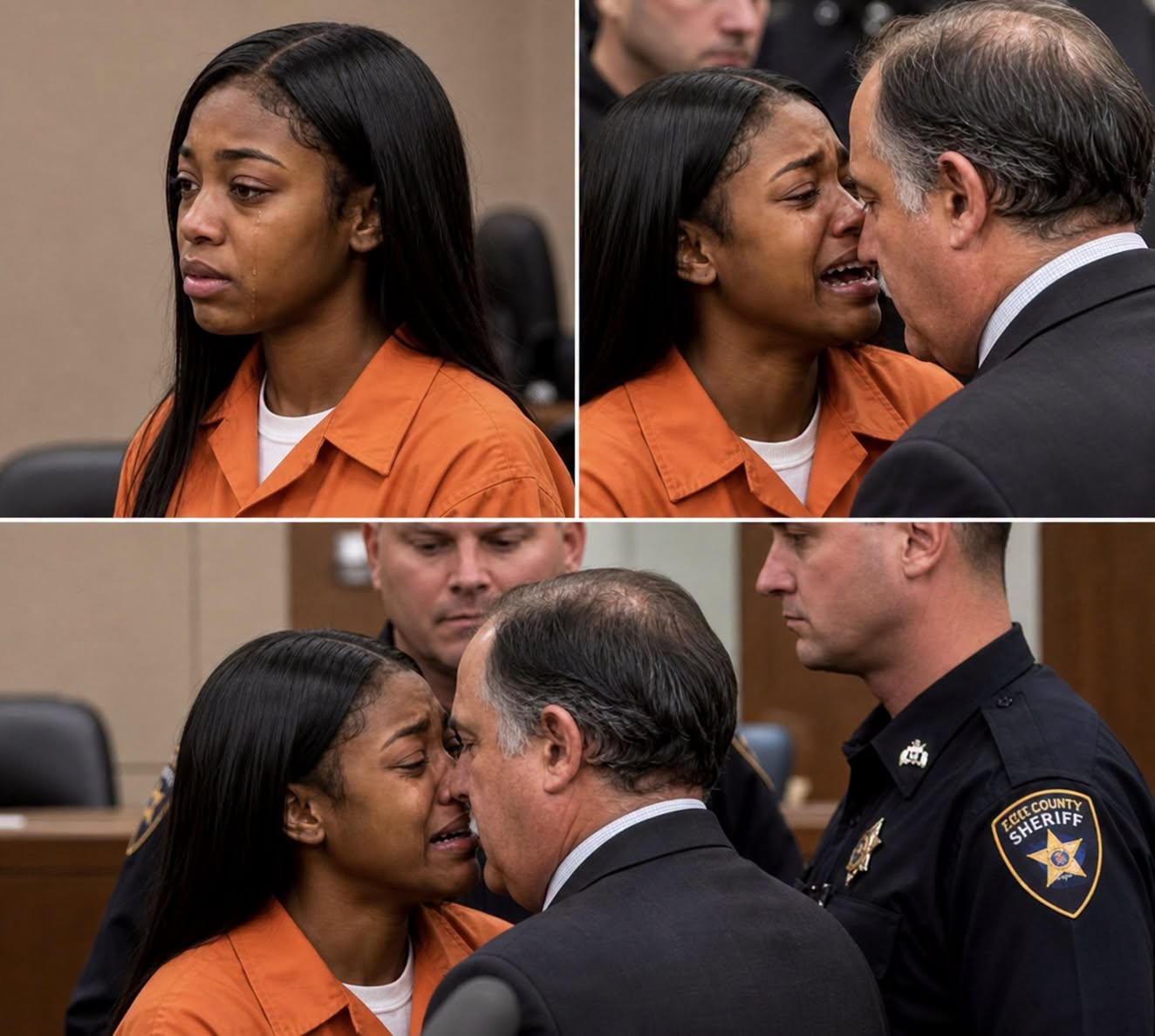
This is why sentences involving juvenile or teenage defendants often draw wider attention. They force courts, families, and the public to think about the purpose of punishment. Is it mainly meant to hold someone accountable? To protect the public? To offer the possibility of rehabilitation? Or does it need to do all of those things at once?
Why This Matters
An 86-year sentence can sound final. In practice, it also becomes part of a larger conversation about how the justice system treats young offenders in the most serious circumstances.
One concern is that focusing too much on rehabilitation may make victims feel overlooked or diminish what they endured. Another concern is that an extremely long sentence for a teenager may leave little room to recognize maturity, change, or rehabilitation over time.
Both concerns can exist at the same time. Victims deserve safety, respect, and justice. Young offenders can be held accountable while society still asks whether review, rehabilitation, or later reassessment should ever be available.
The Bigger Picture
Cases like this often become symbols because they touch on issues far beyond one defendant. They involve public safety, sentencing policy, courtroom discretion, and the long-term costs of incarceration for communities and justice systems.
They also ask a deeply human question: should a person’s future be permanently defined by the worst act they committed as a teenager, or should accountability leave some path for change?
There may be no answer that feels fully satisfying to everyone. But the discussion matters because it shapes how society understands punishment, protection, and the possibility of rehabilitation. Keep reading, and keep thinking carefully about where that balance should be drawn.