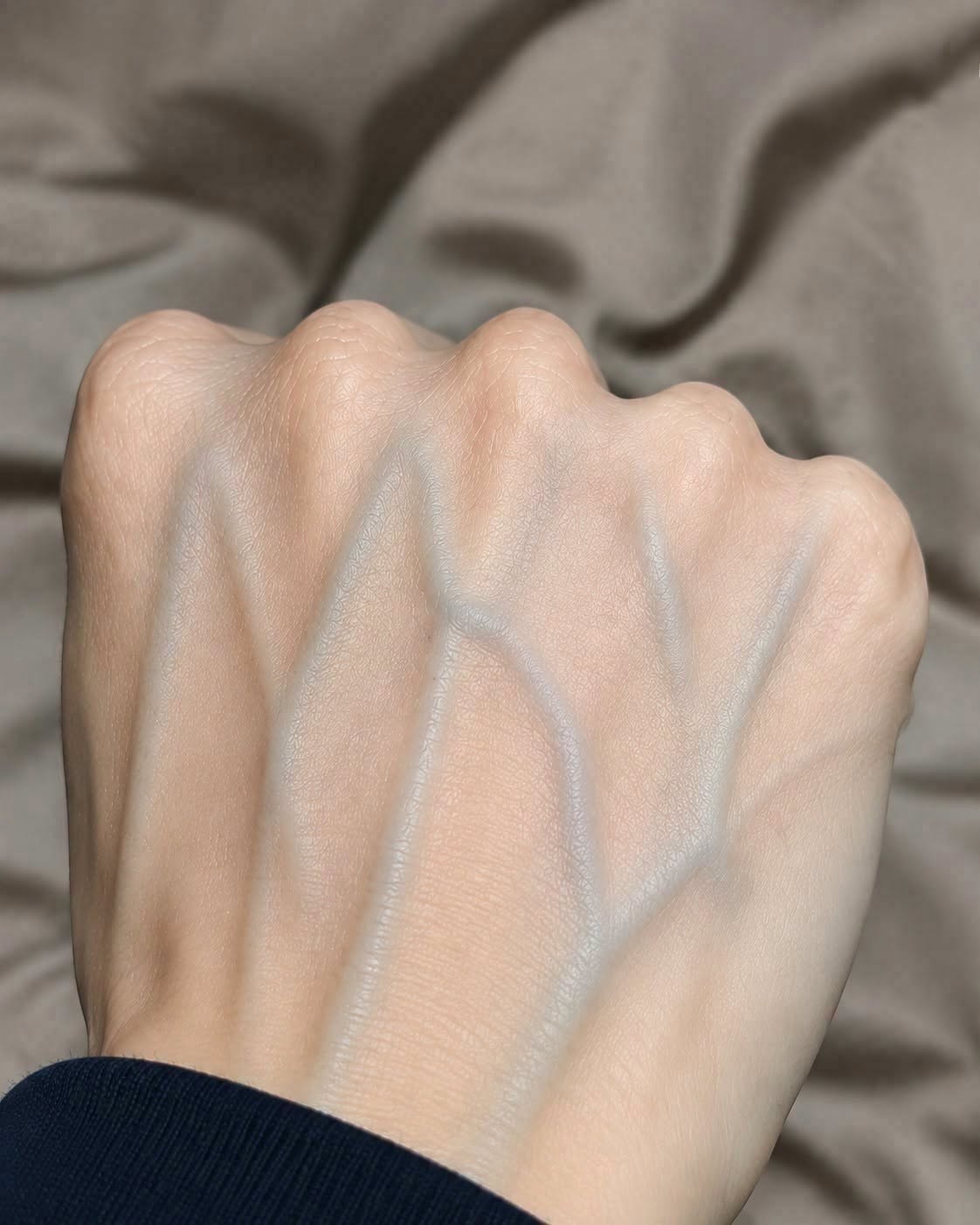
Exercise can make veins stand out temporarily as well. When muscles work harder, they need more blood flow. Veins may expand during or after activity, then become less noticeable again once the body returns to rest. Warm weather can have a similar effect because blood vessels widen as part of the body’s effort to manage temperature.
On their own, these changes are usually not considered a sign of illness.
When Visible Veins May Need a Doctor’s Opinion
Visible veins become more important when they appear with other symptoms. One condition that can be involved is chronic venous insufficiency, often called CVI. This happens when valves inside the veins do not work as efficiently as they should.
Those valves normally help move blood back toward the heart. When they weaken, blood can pool in the legs and increase pressure in the veins. Over time, that pressure may contribute to enlarged veins, varicose veins, and other circulation-related symptoms.
It may be worth speaking with a healthcare professional if visible veins are accompanied by persistent discomfort, swelling, skin changes, or symptoms that appear suddenly on one side of the body. These signs do not automatically confirm a serious problem, but they can be a reason to get evaluated.
Healthcare providers may perform a physical exam and, when appropriate, use an ultrasound study to check how the veins are functioning. Getting guidance early can help identify circulation issues and support the right treatment plan if one is needed.
What Readers Should Know
Many people think of varicose or visible veins as a cosmetic issue, but sometimes they can reflect changes in blood flow. That is why the surrounding symptoms matter more than appearance alone.
For general vein health, it can help to stay attentive to changes in your body, keep up with routine healthcare when needed, and ask a medical professional about symptoms that persist or worsen. A doctor can help separate normal visible veins from signs that may need further evaluation.
For most people, veins that show through the skin are harmless and related to genetics, aging, skin type, temperature, or physical activity. The key is to notice whether the change comes with pain, swelling, skin changes, or sudden one-sided symptoms.
Visible veins are common, but your body’s signals still matter. If something feels new, persistent, or concerning, it is reasonable to get professional advice and keep learning about your vascular health.