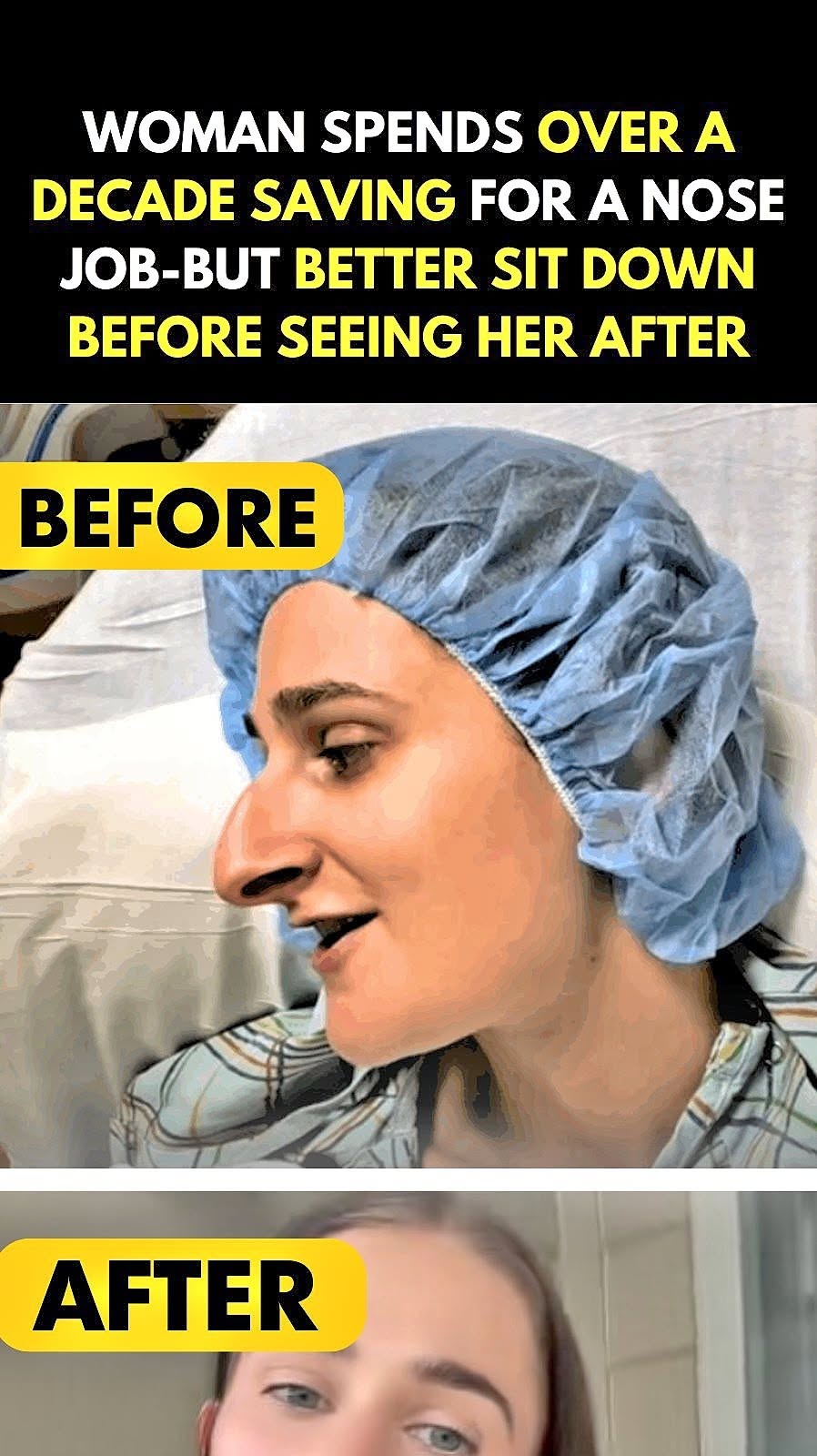
Saving for the Procedure
Because her rhinoplasty was elective, the cost was not covered by health insurance.
Rather than financing the procedure, Devyn gradually saved money over several years until she reached her goal of approximately $11,000.
That extended timeline also gave her the opportunity to carefully research surgeons, understand the recovery process, and develop realistic expectations before moving forward.
The Importance of Research
Devyn has said she spent years learning about rhinoplasty before selecting her surgeon.
Medical professionals generally encourage anyone considering cosmetic surgery to:
- Verify a surgeon’s qualifications and credentials.
- Review before-and-after photographs.
- Discuss realistic expectations.
- Understand possible risks and complications.
- Learn about the recovery process.
- Ask detailed questions during consultations.
Careful preparation helps patients make informed decisions and better understand both the benefits and limitations of elective procedures.
Sharing the Recovery Process
Following surgery, Devyn began documenting her recovery on social media.
She shared updates about swelling, healing, and emotional adjustments while answering questions from people interested in rhinoplasty.
What began as a personal record soon became a resource for others looking for honest, firsthand accounts of the recovery experience.
Healing Takes Time
Although before-and-after photos often receive the most attention, rhinoplasty recovery is a gradual process.
Patients commonly experience:
- Swelling
- Bruising
- Temporary nasal congestion
- Mild discomfort
- Gradual changes as healing continues
Plastic surgeons note that while early improvements may appear within weeks, final results often take many months as swelling continues to resolve.
Understanding this timeline helps patients maintain realistic expectations throughout recovery.
Mixed Reactions Online
As her videos gained popularity, reactions were varied.
Many viewers praised Devyn for being open about her experience and appreciated the transparency surrounding both the procedure and the healing process.
Others questioned her decision or expressed broader concerns about cosmetic surgery and beauty standards.
The discussion reflected larger conversations about body image, personal autonomy, and society’s expectations surrounding appearance.
Despite differing opinions, Devyn has consistently maintained that the decision was made for herself—not to meet anyone else’s expectations.
Cosmetic Surgery Is a Personal Choice
Healthcare professionals emphasize that cosmetic surgery is not a requirement for confidence or happiness.
Instead, it is one option available to adults who wish to change aspects of their appearance after carefully considering the potential benefits, risks, and expected outcomes.
Responsible decision-making typically includes:
- Personal motivation rather than outside pressure.
- Emotional readiness.
- Realistic expectations.
- Consultation with qualified medical professionals.
- A clear understanding of possible complications.
There is no universally correct choice. What matters most is making an informed decision that aligns with an individual’s own goals and well-being.
Looking Beyond the Transformation
Although Devyn’s physical results attracted widespread attention, she says the greatest change was feeling more comfortable with herself.
Her journey illustrates that confidence can develop in different ways. For some people, it comes through self-acceptance alone. For others, a carefully considered cosmetic procedure may help address a long-standing personal concern.
Ultimately, Devyn’s story is less about changing her appearance and more about making a thoughtful, informed decision that reflected her own priorities.
Her experience serves as a reminder that cosmetic surgery is a deeply personal choice—one best approached with patience, realistic expectations, thorough research, and guidance from qualified medical professionals.