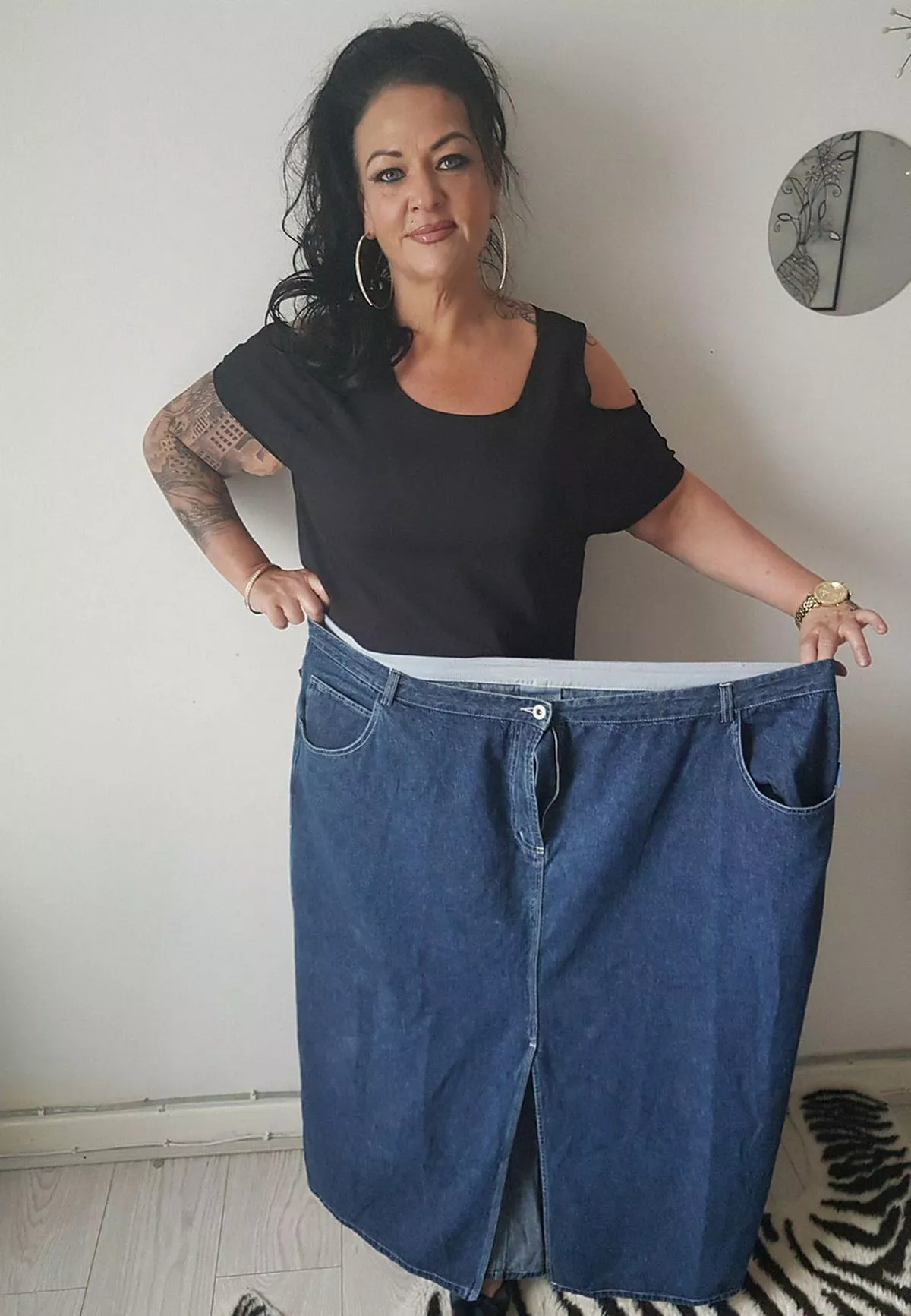
According to Lisa, the warning she received was frightening and direct. She recalls being told her condition was extremely serious, leaving her stunned at a time when she’d just welcomed a new baby.
That moment became her turning point. Determined to be there for her children, she committed to a complete lifestyle overhaul focused on healthier food choices and steady, sustainable weight loss.
From size 36 to size 8—an incredible transformation
Lisa says daily life at her heaviest felt increasingly difficult. She wore a size 36 and struggled with basic activities. Over time, she steadily lost the weight and saw dramatic changes:
- Weight loss of over 16 stone
- BMI reduced from 70 to 28
- Dress size dropped from 36 to 8
Today, Lisa weighs a little over 11 stone and continues to manage her diabetes with daily insulin.
The hidden cost of major weight loss: excess skin
While Lisa is proud of what she achieved, she says extreme weight loss brought a difficult aftermath: significant loose skin around her stomach and waist.
Beyond appearance, she describes ongoing discomfort, reduced confidence, and emotional strain. Like many people who lose a large amount of weight, she believed that once she reached a stable target, she’d be able to access skin removal surgery—especially after being told it could be funded.
But Lisa claims she was later informed that funding was no longer available, leaving her feeling crushed after years of discipline and determination.
“Lose more” — and the mental health toll
Lisa says the uncertainty and changing eligibility rules created intense stress. She claims she was encouraged to lose even more weight to improve the likelihood of receiving support, and that the pressure contributed to serious disordered eating struggles, including anorexia and bulimia.
Even after reaching a much lower weight, she says she was still told there was no funding available.
Then came the advice that shocked her
Lisa says she was later told that her best chance of getting treatment might be to regain weight and qualify for NHS weight loss surgery instead—something she believes she could be eligible for due to her diabetes.
To her, the logic felt backwards: after doing the hard work naturally, she says she’s being pushed toward a path that would undo her progress.
Lisa also worries about the financial reality. She says she can’t afford private surgery, and ongoing health issues make it difficult for her to work and save for treatment.
Why she’s speaking out
Lisa believes the situation highlights a wider issue for people who lose large amounts of weight through diet and lifestyle changes: you can do everything “right” and still be left without support for the physical consequences.
She fears it could discourage others from pursuing healthy weight loss if they believe there’s no help available afterward—especially when excess skin affects comfort, mobility, hygiene, and mental wellbeing.
Despite everything, Lisa says she remains proud of her transformation and doesn’t regret fighting for her health and her future.
Final thoughts
Lisa’s story raises difficult questions about access to care, long-term health outcomes, and how support systems treat people who achieve major weight loss without surgical intervention.
What do you think? Should skin removal after significant weight loss be treated as essential healthcare in more cases? Share your thoughts in the comments—and if you’ve been through something similar, your experience could help someone else feel less alone.