

Those numbers are striking, but they should not be treated as interchangeable.
A sustained wind measurement describes the strength of the winds over a defined observation period. A gust, by contrast, represents a much shorter peak in wind speed.
Central pressure measures something different again: the atmospheric pressure near the center of the hurricane.
Understanding those distinctions makes the statistics much easier to interpret.
Reported Sustained Winds of 185 mph
The account describes Melissa as reaching sustained winds of approximately 185 mph at landfall.
If confirmed under the relevant measurement standards, that would place the storm among the most intense hurricanes recorded in the Atlantic basin based on maximum sustained winds.
Historical comparisons can help illustrate the significance of such a measurement, but records depend on how observations were collected and standardized over time.
The 892 mb Central Pressure
Another remarkable figure associated with Melissa is a reported central pressure of 892 mb.
Very low central pressure is generally associated with an extremely intense tropical cyclone because it reflects the exceptionally low atmospheric pressure near the storm’s center.
The account compares this measurement with the 1935 Labor Day Hurricane, one of the strongest historical Atlantic hurricanes.
However, pressure alone does not tell the entire story of a hurricane’s effects.
Rainfall, storm surge, the size and structure of the storm, its speed and direction, and the amount of time communities remain exposed can all influence the damage and disruption experienced on the ground.
An Extraordinary Aircraft Wind Gust
Perhaps the most eye-catching figure is the reported 252 mph instantaneous wind gust measured by a Hurricane Hunter aircraft shortly before landfall.
That number is particularly notable because it approaches the widely cited tropical-cyclone wind-gust record of 253 mph, recorded during Cyclone Olivia near Western Australia in 1996.
But the comparison requires some care.
An aircraft measurement taken within or near a hurricane is not necessarily equivalent to a wind measurement recorded at a fixed weather station on land.
The location, altitude, instrument, duration of the measurement, and surrounding storm conditions all matter.
Why the Measurements Shouldn’t Be Combined
It can be tempting to look at three enormous numbers and treat them as different ways of saying exactly the same thing.
They aren’t.
Sustained wind describes the storm’s maximum winds according to a specified averaging period.
A wind gust captures a brief peak that can be substantially higher than sustained winds.
Central pressure describes the atmospheric pressure structure near the storm’s center.
Together, these measurements provide a fuller picture of hurricane intensity than any single number can provide.
Records Require Context
Extreme weather records are fascinating, but historical comparisons need to account for differences in technology and observation methods.
Modern hurricanes are monitored using satellites, aircraft, weather stations, ocean instruments, and other technologies that were not available during many older storms.
That means a simple comparison between two numbers from different eras may not capture every difference in how the measurements were obtained.
For that reason, record claims are best understood alongside information about the measurement method and the relevant historical standard.
Beyond the Numbers
For people living in the path of a major hurricane, record statistics are only one part of the story.
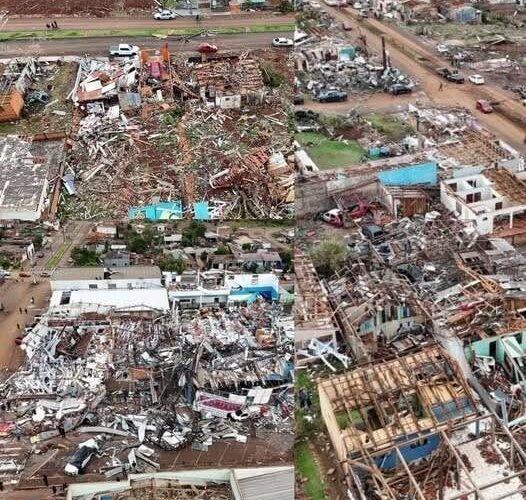
The practical effects can include dangerous winds, flooding, storm surge, power outages, transportation disruptions, property damage, and prolonged interruptions to everyday life.
A storm doesn’t need to break a record to be dangerous.
That is why official emergency information and local warnings remain more important to residents than comparisons with historical storms.
A Remarkable Set of Observations
The reported measurements associated with Hurricane Melissa illustrate just how powerful a tropical cyclone can become.
The 185 mph sustained wind, 892 mb central pressure, and 252 mph aircraft gust describe different characteristics of the storm rather than three versions of the same measurement.
Keeping those distinctions clear makes the historical comparison more meaningful—and avoids reducing a complex weather event to a single dramatic statistic.
Ultimately, the numbers help us understand the scale of the storm.
But the human impact of a hurricane is measured in much more than wind speed or atmospheric pressure.