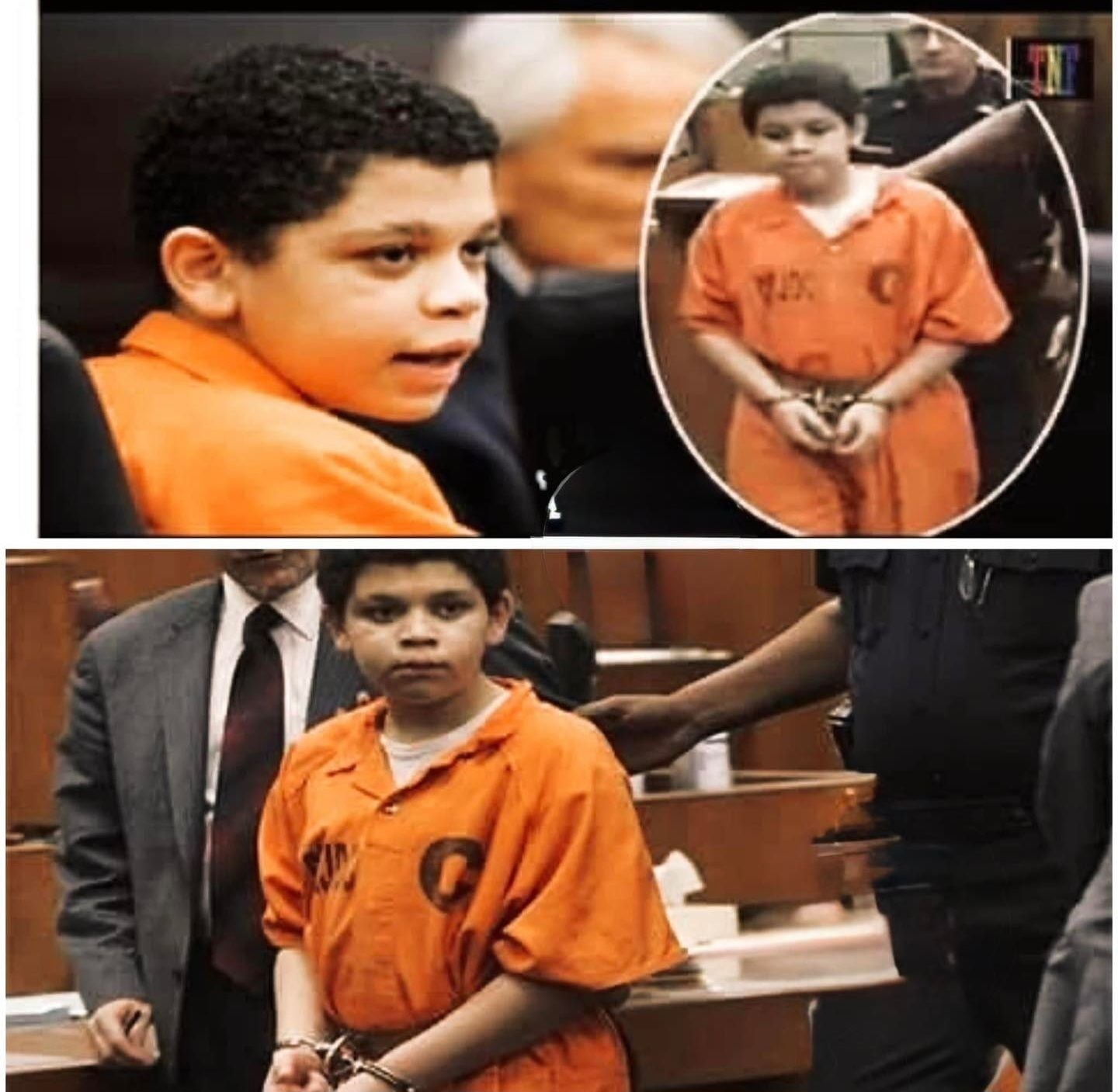
Hundreds of minors across the country have faced similar fates. Prosecutors argue that certain crimes — murder, armed robbery, violent assault — warrant adult treatment. But neuroscience tells a different story. Studies show the prefrontal cortex, which governs impulse control, empathy, and long-term reasoning, doesn’t fully mature until the mid-20s.
Supreme Court Interventions
Miller v. Alabama (2012) marked a landmark shift, ruling that mandatory life without parole for juveniles is unconstitutional. The Court highlighted that children are “constitutionally different from adults” and capable of change. Montgomery v. Louisiana (2016) made that ruling retroactive, offering thousands of juvenile lifers a chance at reconsideration.
Progress, however, has been uneven. Some states embraced reform immediately. Others delayed, resisted, or left loopholes open. Thousands remain trapped in life sentences, their appeals mired in bureaucracy.
Bryan Stevenson, founder of EJI, says it plainly: “When we condemn a child to die in prison, we’re denying the very possibility of change. We’re saying a 13-year-old is beyond redemption — and no civilized society should believe that.”
A Legacy of the “Superpredator” Era
During the 1990s, media-fueled fears of “superpredators” led to harsh policies targeting youth, especially in poor and Black communities. Children as young as 10 were sent to adult prisons, exposed to violence and trauma beyond comprehension.
Today, some states like California, New Jersey, Illinois, and Vermont have abolished life without parole for minors. Others offer parole eligibility after decades. Yet countless children sentenced under older laws remain behind bars, living a life that the rest of the world would call unimaginable.
Redemption and Hope
Many juvenile lifers released under new laws have rebuilt their lives — earning degrees, starting families, and mentoring at-risk youth. One former inmate wrote: “I was 13 when I came here. I made a terrible mistake, but I’ve spent 25 years trying to make amends. The boy who came in here is gone. I wish the system believed that.”
The United States remains the only country sentencing children to life without parole. The UN Convention on the Rights of the Child forbids it. Change is slow but happening. Courts are reconsidering, lawmakers are reforming, and public opinion is shifting.
At the heart of the debate are children — scared, imperfect, and impulsive — who deserve a chance to grow. Denying them hope doesn’t just condemn them. It challenges our humanity.
What do you think? Should children ever face life without parole? Share your thoughts and join the conversation on justice, reform, and redemption.