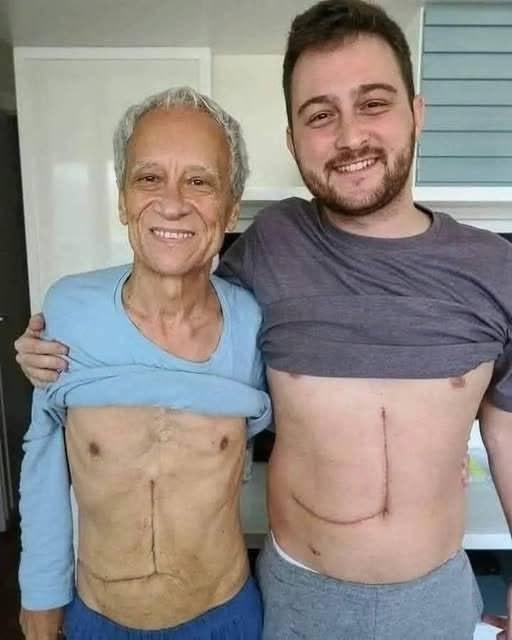
The Journey of Donors and Recipients
Consider a typical scenario: an adult child learns that a parent’s liver disease has become critical. After compatibility testing—which evaluates physical health, psychological readiness, and organ suitability—the child may step forward as a living donor. Once a match is confirmed, the surgery is scheduled.
During the operation, two surgical teams work simultaneously. One team carefully removes the portion of the liver from the donor, while the other prepares the recipient to receive it. Every step is carefully timed to ensure the organ remains viable. Successful surgeries are life-changing: the recipient often regains health and energy, while the donor experiences a profound sense of purpose in helping a loved one.
Recovery and Risks
Recovery for donors is a process that demands patience and care. Donors typically stay in the hospital for about a week and gradually rebuild strength over the following months. Common post-surgery symptoms include fatigue, mild pain, and limited physical activity, while more serious complications, though rare, may include infections or liver function issues.
Medical teams emphasize careful monitoring and follow-up care to ensure donor safety. Transparent communication with healthcare professionals is essential for understanding the potential risks and preparing for recovery.
Despite these challenges, studies show that most living liver donors consider the experience worthwhile. Many describe a profound sense of fulfillment and value the added years of shared life it provides to their loved one.
Impact on Families
Living donation often strengthens family bonds. Recipients feel deep gratitude, while donors gain satisfaction from directly saving a loved one’s life. Families and friends frequently provide ongoing support, from helping with daily tasks to offering emotional encouragement. This collective effort can create lasting positive effects that extend beyond the immediate medical success.
Advances in Safety and Care
Modern transplant programs continue to improve safety and outcomes. Rigorous donor screening, minimally invasive surgical techniques, and long-term follow-up care all contribute to reducing risk and supporting donors throughout their recovery.
For families considering this path, education and discussion with medical specialists are critical. Understanding the procedure, its benefits, and its potential challenges allows donors and recipients to make informed decisions.
A Legacy of Hope
Living liver donation is a profound act of love and courage. It provides more than medical benefit—it preserves family connections and creates opportunities for shared milestones, from graduations to family celebrations. Each successful transplant demonstrates the resilience of the human spirit and the power of compassion in the face of serious illness.
Ultimately, living liver donation is a testament to hope, family, and the extraordinary impact of selfless action. It reminds us that while our bodies are fragile, the bonds we share—and the care we show—are enduring.