
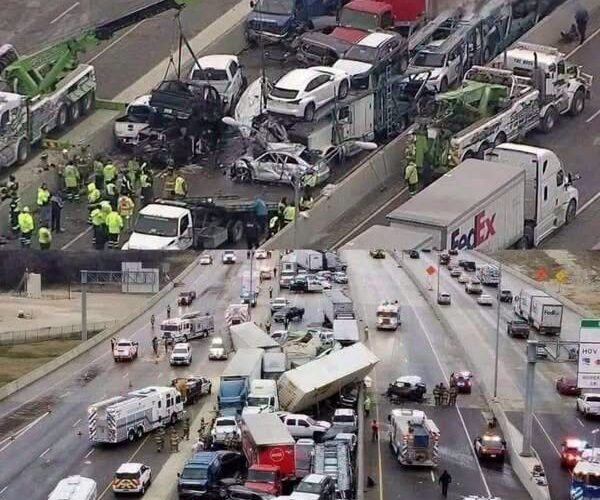

Emergency Crews Respond
When a major accident occurs, emergency personnel typically face a difficult and rapidly changing situation.
Police officers, firefighters, paramedics, medical teams, and other responders may work together to secure the area, assist injured people, and transport patients to medical facilities.
In large incidents, responders may also need to establish restricted areas so that rescue operations can continue safely.
The first priority is generally to locate people who need immediate assistance and provide appropriate medical care.
Investigators Work to Establish What Happened
Once the immediate emergency has been brought under control, investigators can begin examining what caused the accident.
Depending on the type of incident, this may involve reviewing vehicle or equipment records, examining physical evidence, speaking with witnesses, checking surveillance footage, and studying other available information.
Possible explanations should not be treated as confirmed until investigators release their findings.
Mechanical problems, environmental conditions, operational issues, or human factors can sometimes be considered during an investigation, but the actual cause may take time to establish.
Families Face an Extremely Difficult Period
For families affected by a major accident, uncertainty can be particularly difficult.
Authorities may need time to confirm identities and provide official notifications. During this period, unverified information circulating online can create additional distress.
People searching for information about relatives or friends should rely on official announcements and established news organizations whenever possible.
Support for Survivors and Responders
The effects of a serious accident can continue long after the emergency response ends.
Survivors may experience physical injuries as well as emotional distress. First responders can also be affected by what they encounter while carrying out rescue and recovery operations.
Professional medical and mental-health support can be important for people struggling after a traumatic event.
Friends, relatives, community organizations, and local services may also provide practical and emotional support during the recovery process.
Questions About Safety May Follow
After a major accident, people often want to understand whether anything could have been done differently.
Those questions are important, but meaningful answers usually depend on evidence gathered during the investigation.
If authorities identify safety problems, regulators or other responsible organizations may consider whether procedures, equipment, training, or other safeguards need to be reviewed.
Such decisions should be based on confirmed findings rather than speculation circulating immediately after the incident.
Be Careful With Early Reports
Major accidents often generate a large amount of information online within a short period.
Photographs, videos, casualty figures, and explanations can spread before authorities have confirmed them. Some posts may also combine details from different incidents.
For that reason, readers should be cautious about sharing unverified claims, particularly information involving victims or alleged causes.
Remembering Those Affected
Behind every major accident are individuals and families whose lives may have been changed permanently.
As authorities continue their work, the focus remains on caring for those affected, determining what happened, and providing reliable information to the public.
The full circumstances of a serious accident can take time to establish. Until investigators release verified findings, it is important to separate confirmed information from early reports and speculation.
For the latest casualty figures and official updates, readers should rely on local authorities and reputable news organizations rather than unverified social-media posts.