
Investigations Underway
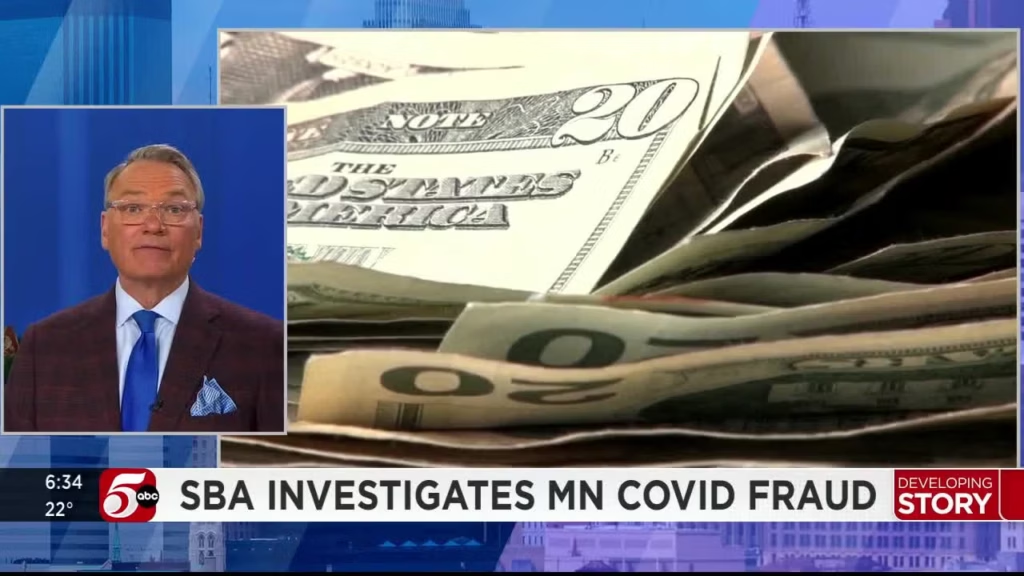
The Minnesota case involves potential misuse of pandemic relief loans, including the Paycheck Protection Program (PPP) and Economic Injury Disaster Loans (EIDL). Preliminary reviews suggest thousands of loans may have been improperly issued, prompting federal investigators to examine patterns across multiple states.
Officials have emphasized that individuals found guilty of fraud will face strict consequences, including bans from future SBA programs and potential prosecution under federal law. Legal experts note that cases of this scale require extensive investigation, including analysis of financial records, verification of applications, and tracking of third-party facilitators.
Systemic Vulnerabilities

The Minnesota case highlights structural vulnerabilities in emergency relief programs. Many pandemic-era initiatives were designed for rapid deployment, prioritizing speed over detailed verification. While necessary to provide immediate financial support, this approach created opportunities for fraud.
Experts suggest that these programs demonstrate the challenges of balancing efficiency with accountability. Future emergency measures may require more robust oversight mechanisms, enhanced auditing procedures, and improved verification processes to prevent misuse while maintaining the ability to respond quickly.
Lessons for Policy and Public Trust
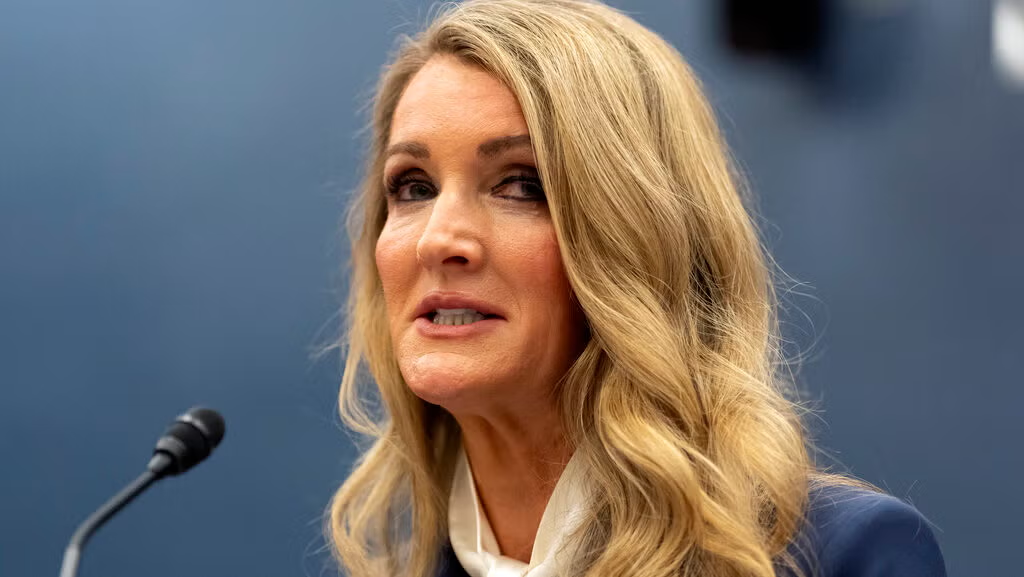
Beyond the legal and administrative implications, the case has raised questions about public trust. Widespread reports of fraud can undermine confidence in government programs, making citizens more skeptical of emergency measures. Policymakers are now discussing ways to strengthen program design and ensure transparency, accountability, and equitable access.
Analysts emphasize the importance of distinguishing between legislative intent, administrative execution, and criminal misuse. Programs created to address urgent societal needs must be protected from exploitation, while still allowing timely support for those who rely on it.
Moving Forward
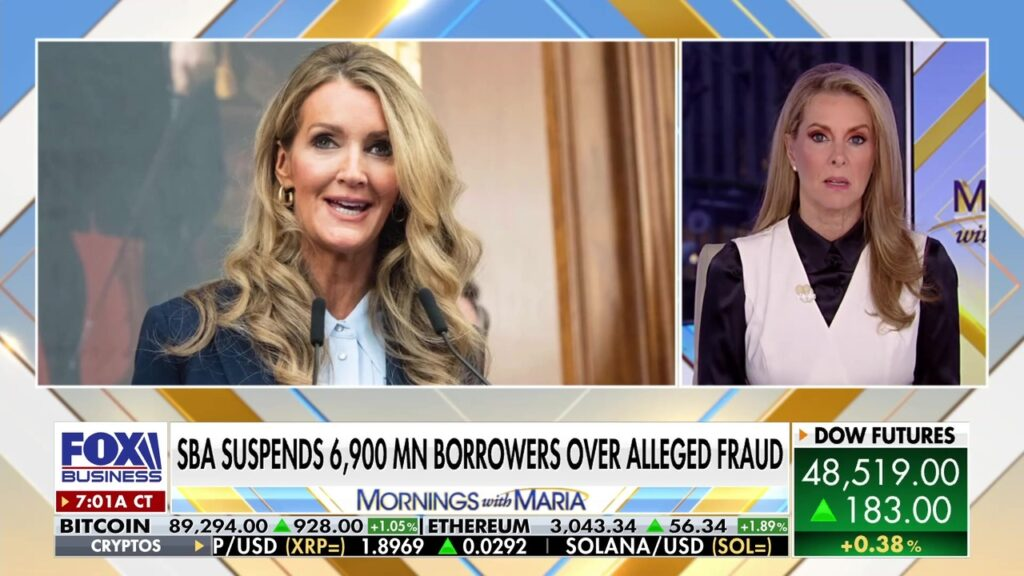
The Minnesota SBA fraud case serves as a reminder that even well-intentioned programs can face challenges when oversight mechanisms are insufficient. Federal investigations are ongoing, and outcomes from this case could inform reforms in emergency relief programs nationwide.
Key takeaways for future policy include:
- Stronger Verification Processes: Ensuring applicants meet eligibility criteria before funds are disbursed.
- Enhanced Compliance Oversight: Regular audits and monitoring to detect irregularities early.
- Clear Accountability: Transparent reporting and defined responsibilities for administrators.
- Public Communication: Clear messaging to maintain trust and demonstrate that fraud is being addressed.
As investigations continue, Minnesota’s case may act as a blueprint for evaluating the effectiveness and integrity of other emergency programs. By learning from these events, policymakers can strike a balance between rapid response and responsible oversight, safeguarding public resources while supporting those in need.