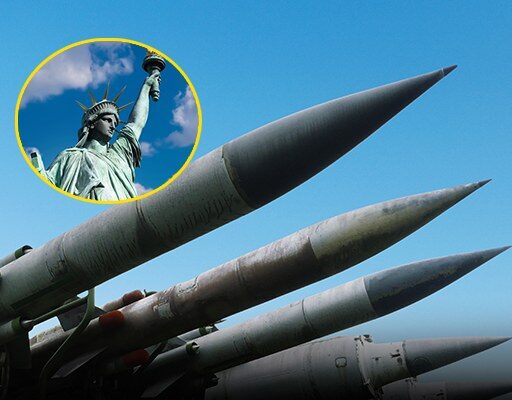
Despite the headlines, catastrophe is not inevitable. History teaches us that restraint is a vital, yet often invisible, shield against escalation. Surveillance systems, hotlines, and arms agreements exist precisely because past generations stared into the abyss and chose caution over reaction. Near-misses in history remind us that miscalculation can have irreversible consequences.
In today’s tense global landscape, real security depends less on weapon counts and more on judgment. Leaders who pause, weigh consequences, and prioritize diplomacy over immediate displays of force are often the ones who prevent disaster before it begins. Restraint is not weakness—it is a quiet, deliberate form of strength that protects millions without ever making the news.
The Human Element of Global Tension
While strategy and diplomacy dominate discussions of national security, the human element is unavoidable. Fear shapes decision-making, influences policy, and affects the daily choices of ordinary citizens. Awareness, engagement, and informed dialogue are tools everyone can use to navigate this complex world. By staying informed and participating in meaningful conversations, individuals contribute to a culture of vigilance that is essential for preserving peace.
Join the Conversation
How do you interpret today’s global tensions, and what role do you believe restraint plays in preventing conflict? Share your thoughts in the comments below and be part of a conversation that matters—not just for headlines, but for the future we all share.