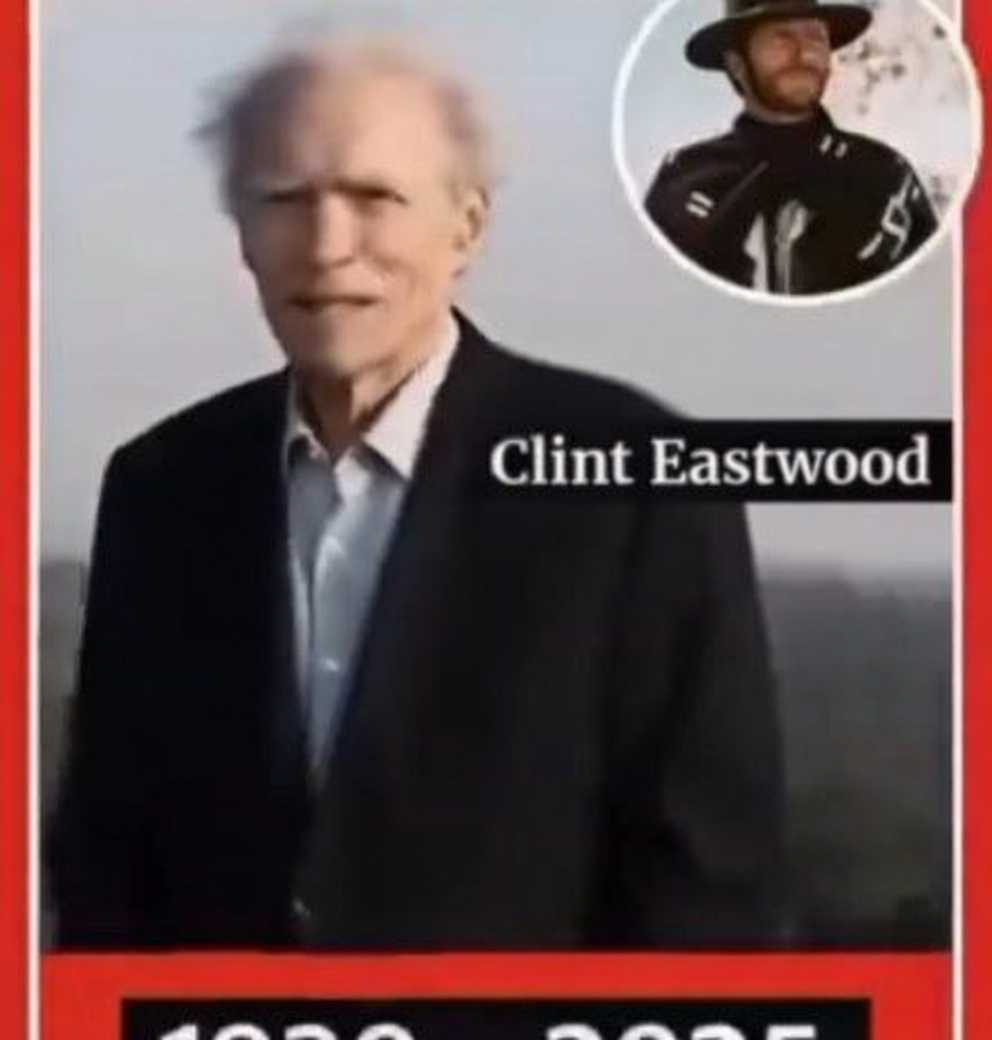
Few names in American cinema carry the weight and influence of Clint Eastwood. As of February 2026, Eastwood remains a towering figure—a bridge between the rugged realism of classic Westerns and the nuanced storytelling of contemporary Hollywood. From humble beginnings in 1950s television to international fame on the silver screen, his journey reflects decades of reinvention, artistic mastery, and a steadfast dedication to his craft. Understanding Eastwood’s impact requires looking at both the archetypes he helped define and the ways he continually pushed beyond them.
Eastwood’s rise began quietly. On the TV series Rawhide, he played Rowdy Yates, a lean, determined cowboy whose presence fit seamlessly into the dusty frontier landscape. But it was his leap to Europe in the 1960s that cemented his legendary status. Working with Italian director Sergio Leone, Eastwood became the “Man with No Name” in the iconic Dollars Trilogy: A Fistful of Dollars, For a Few Dollars More, and The Good, the Bad and the Ugly. These films redefined the Western, replacing clear-cut morality with a cool, laconic antihero operating by his own code. The “Spaghetti Western” era didn’t just make Eastwood a global star; it reshaped the very image of cinematic masculinity—detached, efficient, and undeniably lethal.
By the 1970s and 1980s, Eastwood adapted again, moving from the open plains to the urban jungle. As Inspector Harry Callahan in Dirty Harry, he became the face of a cinematic brand of vigilante justice. Tackling crime-ridden streets with relentless determination, Callahan embodied a nation’s anxieties about rising crime and institutional breakdown. The series solidified Eastwood’s persona: a symbol of rugged individualism, tough decisions, and moral complexity.
Continue reading on next page…