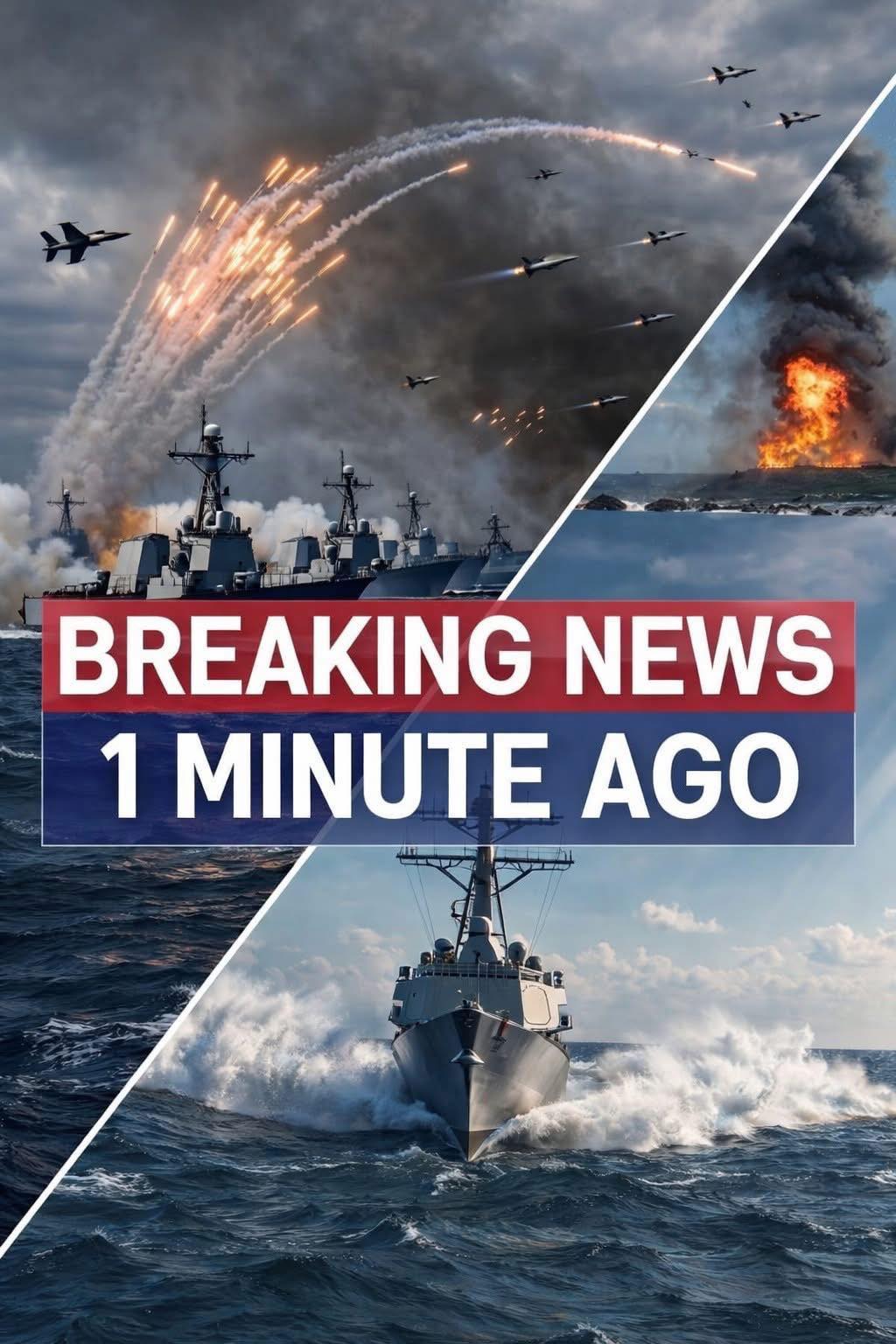
A Rapid and Complex Military Encounter
According to defense analysts and open-source reports, the U.S. Navy vessel detected multiple incoming projectiles within a short period of time. In situations like this, modern warships rely on advanced radar and defensive systems to track and intercept potential threats.
Naval defense systems are designed with several layers of protection. Long-range interceptor missiles are typically used first to neutralize threats at greater distances. If additional projectiles approach closer, medium-range defensive missiles may be launched. As a final protective measure, ships also carry automated close-range defense systems designed to intercept threats that pass through earlier layers.
Such layered systems are intended to give crews multiple opportunities to respond quickly and protect both the vessel and nearby shipping lanes.
The Concept of “Saturation Attacks”
Military analysts often describe large, rapid waves of incoming projectiles as a “saturation attack.” This tactic attempts to challenge defensive systems by presenting many targets within a short timeframe.
In these scenarios, onboard systems must quickly assess potential threats and prioritize responses. The speed of modern naval combat means many of these decisions are assisted by sophisticated computer systems capable of analyzing radar data and guiding defensive interceptors in seconds.
Impact on Global Shipping
Beyond the immediate military implications, incidents like this can affect global trade. The Red Sea is a critical gateway to the Suez Canal, and any security concerns in the region can influence shipping routes, insurance costs, and logistics planning for international companies.
When risks increase, some shipping firms may temporarily reroute vessels or delay transit through sensitive areas. Even small disruptions can create ripple effects in global supply chains, particularly for energy shipments such as oil and liquefied natural gas.
Strategic Importance of the Region
The Red Sea’s narrow geography makes it one of the world’s most strategically important maritime chokepoints. A large portion of international cargo traffic passes through these waters each year, connecting Europe, Asia, and the Middle East.
Because of this importance, many countries maintain naval patrols in the region to monitor activity and help maintain safe passage for commercial vessels.
Growing Focus on Maritime Security
Recent events have prompted renewed discussions among policymakers and security experts about how best to protect international shipping routes. Some experts emphasize the importance of defensive escort missions and multinational cooperation, while others stress the need for diplomatic solutions to reduce tensions.
At the same time, technological developments continue to shape naval strategy. Modern warships rely heavily on advanced radar systems, electronic sensors, and rapid-response defensive technology to handle fast-moving threats.
A Reminder of the Red Sea’s Global Role
While the full details of the reported encounter remain limited, the event highlights how quickly tensions in key maritime regions can affect global stability. The Red Sea remains one of the most important corridors for international trade, and maintaining safe navigation there is a priority for many nations.
As governments and industry leaders monitor the situation, the focus remains on ensuring the continued flow of commerce while reducing the risk of further escalation in the region.