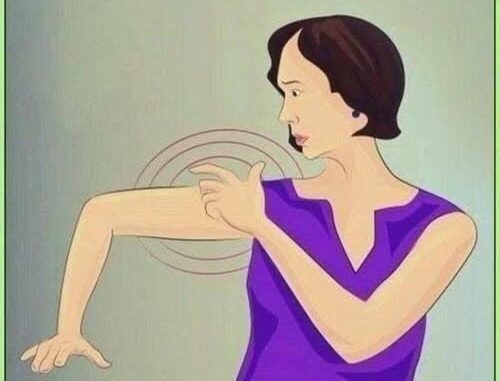
- F: Face drooping
- A: Arm weakness
- S: Speech difficulty
- T: Time to call emergency services immediately
Temporary Symptoms Can Still Signal Danger
Some people experience a transient ischemic attack (TIA)—stroke-like symptoms that vanish quickly. These are warning signs of future risk. Even if symptoms disappear, immediate medical evaluation is crucial.
Risk Factors You Should Know
High blood pressure, diabetes, cardiovascular issues, smoking, poor diet, stress, and family history all increase stroke risk. Managing these factors proactively can reduce the chance of a serious event.
Why Acting Fast Saves Lives
Brain cells die rapidly during a stroke. Early intervention can restore circulation, minimize damage, and improve recovery. Never delay—every second counts.
Takeaway: Stay alert to sudden weakness, vision changes, severe headaches, or speech issues. Quick action can save a life—maybe even your own.
💡 Your Move: Share this with loved ones. Knowing the signs of a stroke can make a real difference in emergencies. Don’t wait—awareness saves lives!