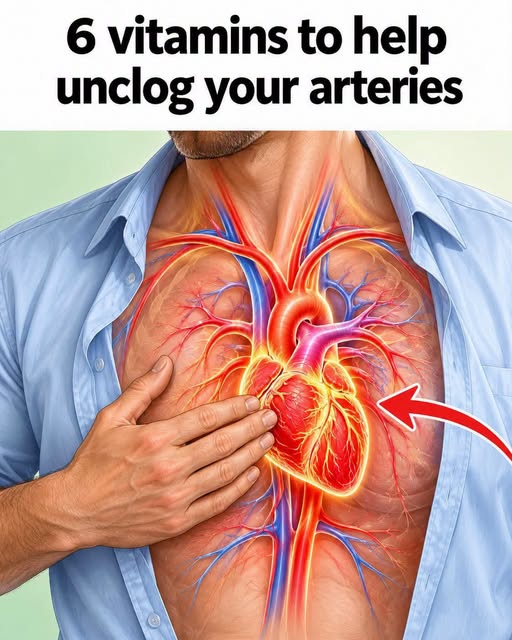
6 Key Vitamins That Support Blood Vessel Health and Normal Circulation
6 Vitamins for Heart and Artery Health: What Science Says About Their Benefits
Heart disease remains a major health concern, particularly as people grow older. One of its key contributors is atherosclerosis, a condition in which cholesterol-rich plaque builds up inside artery walls. Over time, this buildup can narrow arteries, restrict blood flow, and increase the risk of heart attacks and strokes.
Naturally, many people wonder whether vitamins can help keep their arteries healthy. Certain nutrients support normal blood vessel function, help the body regulate inflammation, and contribute to essential metabolic processes. However, no vitamin supplement has been proven to dissolve clogged arteries or replace established treatments for cardiovascular disease.
Six vitamins are particularly relevant to heart health: B3, B6, B9, B12, C, and D. Understanding their roles, food sources, and limitations can help you make informed decisions about nutrition and cardiovascular prevention.
1. Vitamin B3 (Niacin): Its Role in Cholesterol Management
Vitamin B3, also known as niacin, helps the body convert food into energy and supports normal cellular function.
Niacin has also attracted attention for its effects on cholesterol. At prescription doses, it can increase HDL cholesterol, often called “good” cholesterol, and lower triglycerides and LDL cholesterol to varying degrees.
However, improving cholesterol numbers does not automatically mean reducing the risk of heart attacks. Research has not shown a consistent additional cardiovascular benefit from adding niacin to modern cholesterol-lowering treatment, and high doses can cause significant side effects, including liver damage and problems with blood sugar control.
Food sources: Poultry, fish, peanuts, whole grains, and fortified cereals.
For most people, getting niacin through food is sufficient. High-dose niacin should only be considered under medical supervision when there is a specific clinical reason.
2. Vitamin B6: Supporting Normal Metabolism
Vitamin B6 plays an important role in protein metabolism, nerve function, immune activity, and the production of neurotransmitters. It also helps the body process homocysteine, an amino acid associated with cardiovascular risk when present at elevated levels.
 Up Next: Page 2 of 4
Although vitamin B6 contributes to maintaining normal homocysteine metabolism, taking additional B6...
Food sources: Fish, poultry, potatoes, chickpeas, bananas, and fortified cereals.
Continue Reading