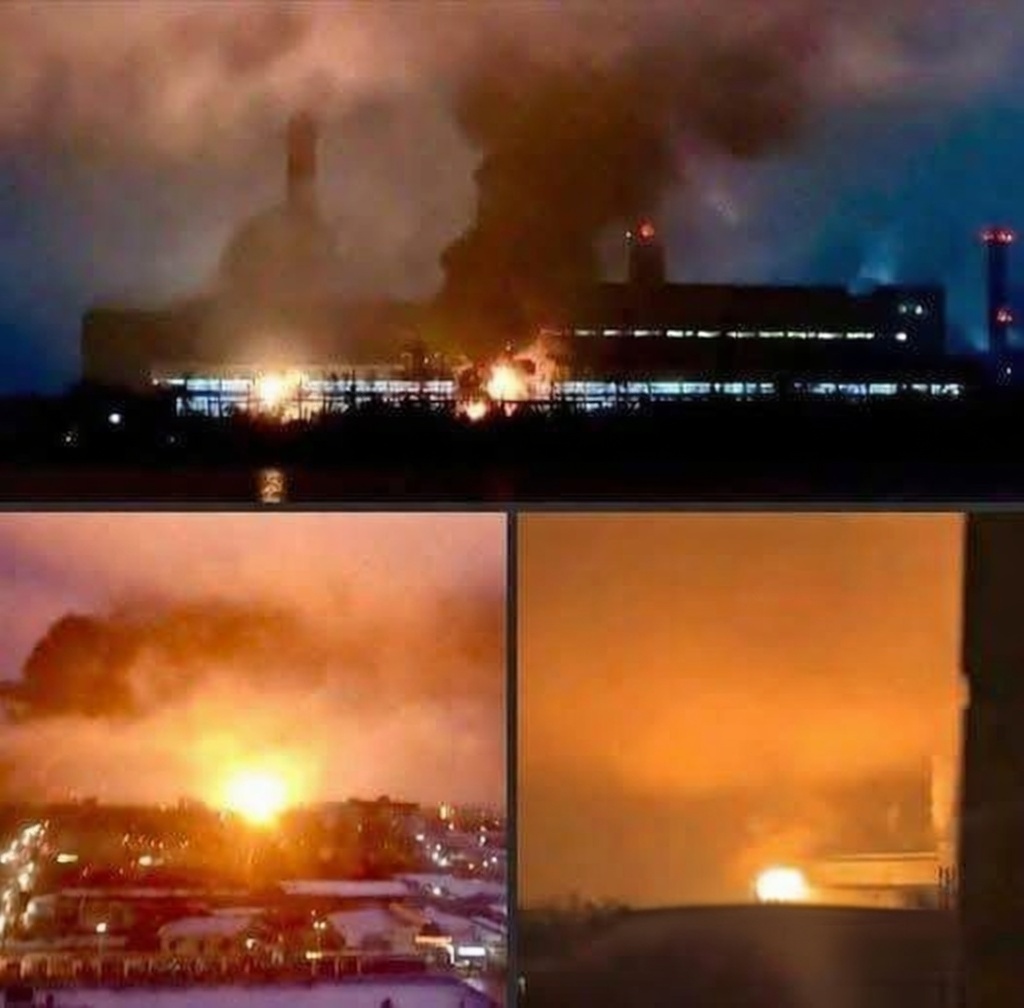
The warning wasn’t a test. It flashed across phones, radios, and digital screens with a cold, urgent clarity, halting conversations and freezing meals in mid-bite. Though officially called “precautionary,” it carried a weight far heavier—an invisible hand reminding the world that what many feared was no longer distant.
From border towns to sprawling capitals and quiet suburbs, people paused, digesting the stark implication: history itself had leaned in to speak. Public officials urged calm, yet beneath the measured language, anxiety rippled. For years, unresolved conflicts, mounting rivalries, and rising global tension had been quietly shaping this moment—and now it was undeniable.
The alert highlighted just how interconnected the modern world has become. Wars once confined to faraway regions now send shockwaves into everyday life through rising costs, unstable markets, and nonstop digital confrontation. What once felt like abstract geopolitics now strikes as immediate and personal. A single misstep could escalate in minutes, proving just how thin the line is between stability and chaos.
Beneath official statements, an unspoken message lingered—directed at leaders themselves: pause. Reassess. Avoid letting pride or haste dictate actions that could trigger irreversible consequences. The alert served as both warning and mirror, reflecting the fragility of the global system and the stakes of miscalculation.
Continue reading on next page…