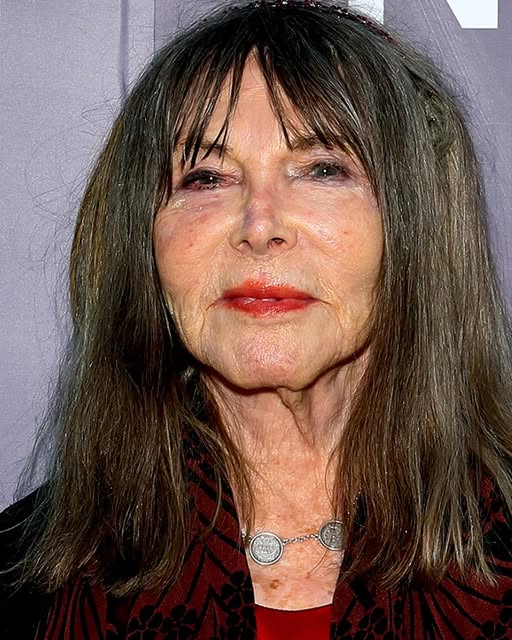
Hollywood in the 1950s was dazzling, glamorous, and brutal—a world where studios held ultimate power, deciding who would shine and who would fade into obscurity. Among the era’s brightest talents was Lee Grant, a stunning actress whose beauty, charisma, and raw talent promised superstardom… until fate, politics, and Hollywood’s rigid system intervened.
Grant’s rise was meteoric. With her striking features and magnetic on-screen presence, she quickly caught the eyes of top producers. Early roles showcased her range and earned critical acclaim, culminating in her unforgettable film debut in Detective Story (1951) alongside Kirk Douglas. That performance earned her an Academy Award nomination for Best Supporting Actress and the Best Actress Award at the Cannes Film Festival—an auspicious start that seemed to guarantee lasting success.
But just as swiftly as her star rose, it was threatened. Grant was abruptly blacklisted by one of Hollywood’s most powerful studios. The decision left fans and industry insiders stunned. Rumors swirled: some said she had defied studio authority, refusing to bow to rigid expectations; others pointed to her personal life, scrutinized under Hollywood’s unforgiving gaze. Some believed the blacklist was tied to politics—Grant had delivered a heartfelt eulogy at actor J. Edward Bromberg’s 1951 memorial, noting that the pressure from the House Un-American Activities Committee (HUAC) may have contributed to his death. In an era of fear and suspicion, speaking out could be a career-ending act.
Continue reading on next page…