Dead Man’s Fingers in Your Yard: Creepy Fungus or Fascinating Discovery?
Stumbling across strange growths in your garden can be shocking—especially when black, finger-like protrusions push up through the mulch. Many homeowners have experienced that moment of disbelief: what are these eerie shapes, and are they dangerous? Surprisingly, these unusual formations often have a scientific explanation: a fungus called Dead Man’s Fingers. While the name sounds spooky, understanding this mysterious growth can turn fear into fascination.
Why Dead Man’s Fingers Look So Creepy
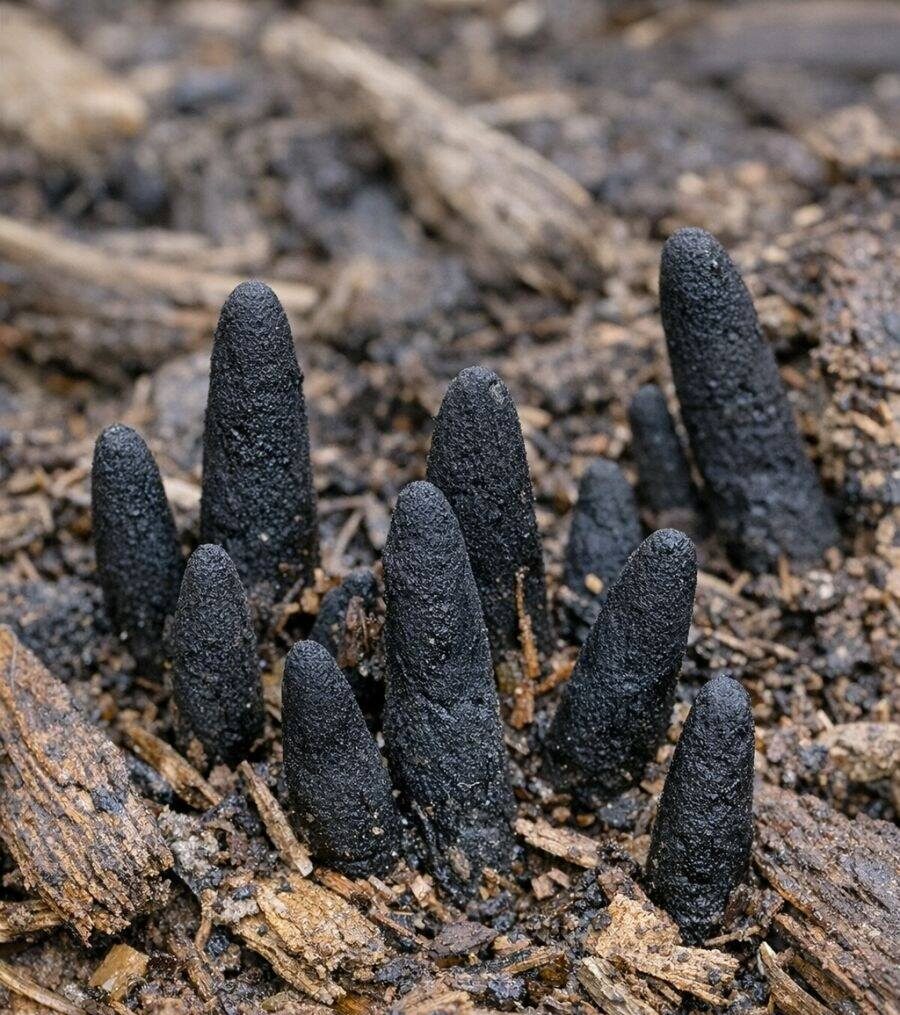
At first glance, the sight of black, elongated “fingers” emerging from your garden can be unsettling. Mature specimens are typically 3–4 inches long, hard, and woody, resembling skeletal digits reaching for the sky. Initially pale or whitish, they darken over time, creating a stark contrast against soil or mulch. Their unusual appearance explains the ominous nickname—but looks can be deceiving.
Meet the Fungus: Xylaria polymorpha
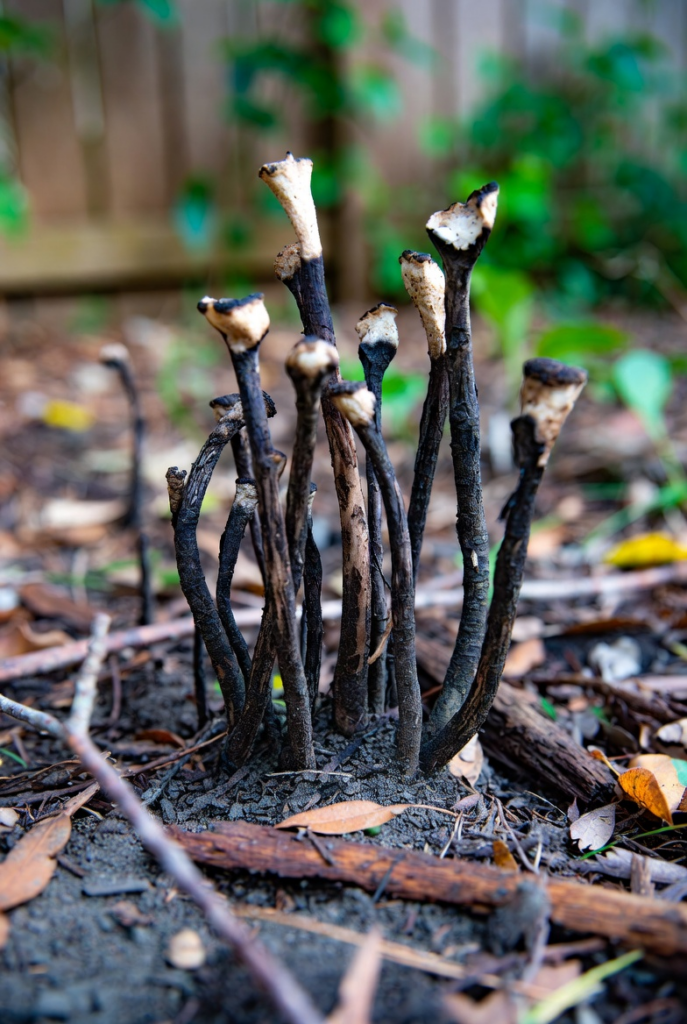
Dead Man’s Fingers, or Xylaria polymorpha, is a saprobic fungus, meaning it feeds on decaying organic matter. While native to forests, it often pops up in gardens where wood chips or old logs are plentiful. Its role is vital: breaking down cellulose and lignin in dead wood and recycling nutrients back into the soil. Fruiting bodies often appear in clusters, giving the appearance of a hand with multiple fingers—hence the chilling imagery.
How to Identify It in Your Yard
Look for finger-like growths that start pale and harden into black, rigid structures. Cut open a specimen, and you’ll see white interior tissue. They usually grow from buried or rotting wood at the base of trees, stumps, or mulch beds. For confirmation, bring a sample to a local extension office or mycologist.
Continue reading on next page…