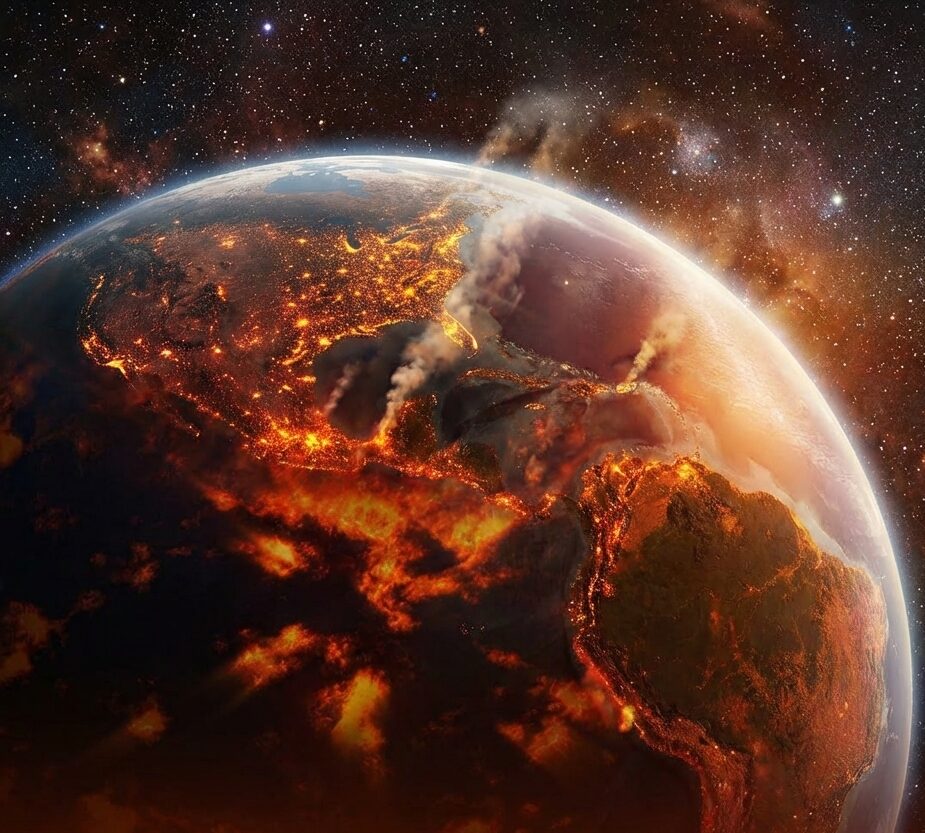
What If the Unthinkable Happened? Exploring Global Resilience in Extreme Scenarios
Whenever international tensions flare, it’s natural for people to wonder: what if the worst-case scenario occurred? While a large-scale nuclear conflict remains extremely unlikely, researchers and security analysts sometimes run thought experiments to understand global preparedness and resilience. These studies don’t predict disaster—they aim to strengthen planning and cooperation worldwide.
Recent discussions about conflicts in the Middle East have reignited questions about strategic stability. Experts emphasize that nuclear-armed nations maintain strong deterrence strategies, diplomatic channels, and international treaties precisely to prevent catastrophic escalation. Military alliances and ongoing dialogue help reduce risks and encourage peaceful solutions, making large-scale conflict highly improbable.
Yet hypothetical models still offer insights. Researchers examine how the planet’s environment, food systems, and infrastructure could respond to severe disruptions. In these scenarios, countries with stable climates, strong domestic agriculture, and geographic isolation tend to emerge as better positioned to maintain stability.
Examples often highlighted in studies include:
- New Zealand and Australia – With abundant farmland, reliable climates, and distance from major military powers, these nations are considered highly resilient.
Continue reading on next page…