Normal Blood Pressure by Age: What’s Considered Healthy?
Blood pressure is one of the most important measurements of overall health. It shows how strongly blood moves through your arteries as your heart pumps. Because the heart and blood vessels play a central role in keeping the body functioning properly, maintaining healthy blood pressure is essential for long-term wellness.
This guide is for educational purposes only and is not a substitute for professional medical advice. Always speak with a qualified healthcare provider about personal health concerns.
Understanding Blood Pressure Readings
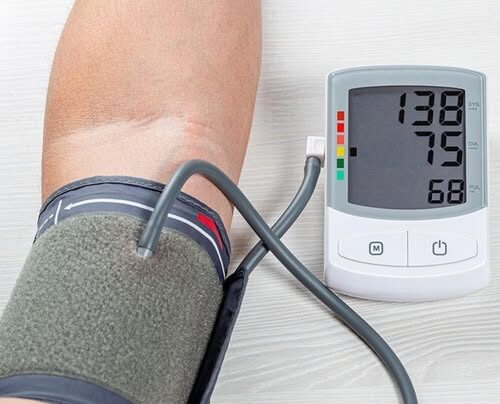
A blood pressure measurement includes two numbers:
Systolic (top number): The pressure in your arteries when your heart beats.
Diastolic (bottom number): The pressure in your arteries between heartbeats.
A common reference reading for adults is around 120/80 mm Hg, though individual results may vary.
General Blood Pressure Categories
While recommendations can differ slightly depending on health conditions, general categories are often described as:
- Low: Below 90/60 mm Hg
- Optimal: Below 120/80 mm Hg
- Normal: 120–129 / 80–84 mm Hg
- Elevated: 130–139 / 85–89 mm Hg
- High: 140/90 mm Hg or higher
Healthcare professionals may adjust these ranges based on age, medical history, and other factors.
Blood Pressure in Children and Teens
Continue reading on next page…