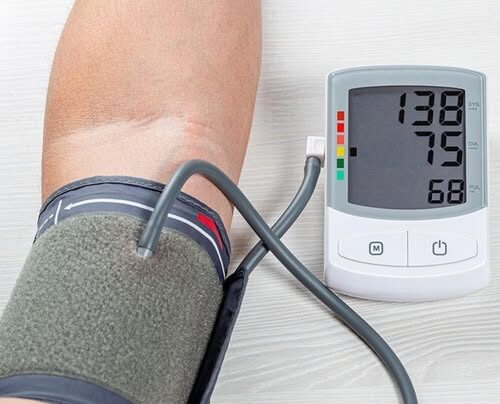
Blood pressure naturally changes as children grow. Typical ranges may include:
- Newborns: 60–90 / 20–60 mm Hg
- Infants: 87–105 / 53–66 mm Hg
- Toddlers: 95–105 / 53–66 mm Hg
- Preschoolers: 95–110 / 56–70 mm Hg
- School-age children: 97–112 / 57–71 mm Hg
- Adolescents: 112–128 / 66–80 mm Hg
As the body develops, blood pressure gradually rises to support growth and increased physical activity.
Average Blood Pressure in Adults
Blood pressure tends to increase slightly with age. General averages may look like this:
Ages 18–39
Women: About 110/68 mm Hg
Men: About 119/70 mm Hg
Ages 40–59
Women: About 122/74 mm Hg
Men: About 124/77 mm Hg
Age 60 and older
Women: About 139/68 mm Hg
Men: About 133/69 mm Hg
These figures represent averages, not strict targets. Individual goals should always be discussed with a healthcare professional.
How Aging Influences Blood Pressure
As people grow older, arteries may gradually become less flexible. This natural change can contribute to higher blood pressure readings over time.
Because of this, routine checkups become especially important with age. Monitoring blood pressure regularly helps identify changes early and supports informed health decisions.
Lifestyle Habits That Support Healthy Blood Pressure
Healthy daily choices can help maintain normal levels:
- Maintain a balanced weight through healthy eating and regular activity.
- Eat nutrient-rich foods such as fruits, vegetables, whole grains, lean proteins, and low-sodium options.
- Stay physically active with regular movement like walking, swimming, or cycling.
- Avoid smoking, as it can damage blood vessels.
- Limit alcohol consumption to recommended amounts.
These habits support overall cardiovascular health and general well-being.
Why Regular Monitoring Matters
Blood pressure can change gradually without noticeable symptoms. Regular screenings help track trends over time and allow healthcare providers to offer guidance if needed. Early awareness can make a meaningful difference in long-term health outcomes.
Understanding normal blood pressure by age empowers individuals to make informed lifestyle choices and stay proactive about their health.
Have you checked your blood pressure recently? Share your thoughts or questions in the comments below, and stay informed by exploring more health topics with us.