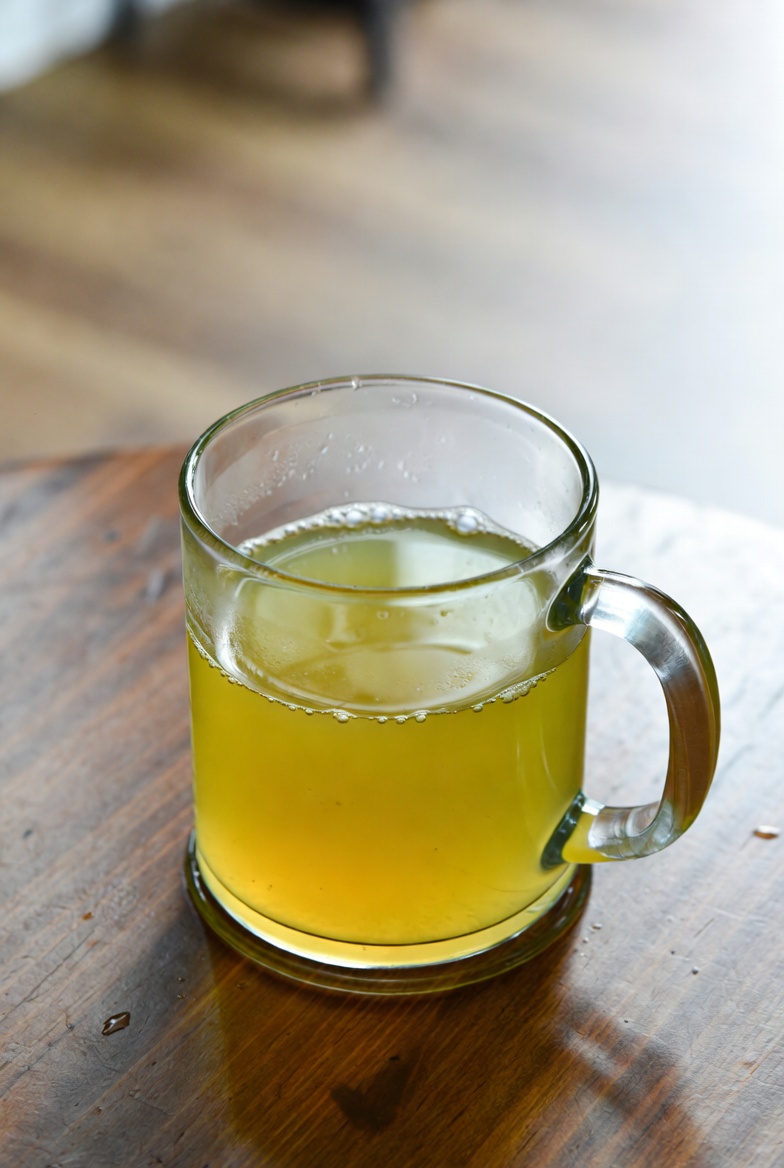
For decades, athletes have reached for pickle juice during intense training sessions and competitive events. What began as a locker-room tradition was often viewed as a simple myth or placebo. Many believed that muscle cramps were caused primarily by dehydration or electrolyte loss, making it difficult to understand how a small sip of salty liquid could provide almost immediate relief.
Yet despite skepticism, countless athletes continued to report noticeable improvements within moments of drinking it.
What Research Began to Discover
As interest grew, researchers decided to study the effects of pickle juice under controlled laboratory conditions. In these studies, participants experienced induced muscle cramps while scientists measured muscle activity and response times.
The findings were surprising. Relief often occurred very quickly—sometimes in under two minutes. This speed made it unlikely that the effect was due to digestion or electrolyte replacement, which would take significantly longer to influence muscle tissue.
These results prompted experts to reconsider the original theory and explore a different possibility.

A Nervous System Connection
Pickle juice contains vinegar, which includes acetic acid. Researchers now believe that when this liquid comes into contact with receptors in the mouth and throat, it may trigger a rapid sensory response in the nervous system.
Continue reading on next page…