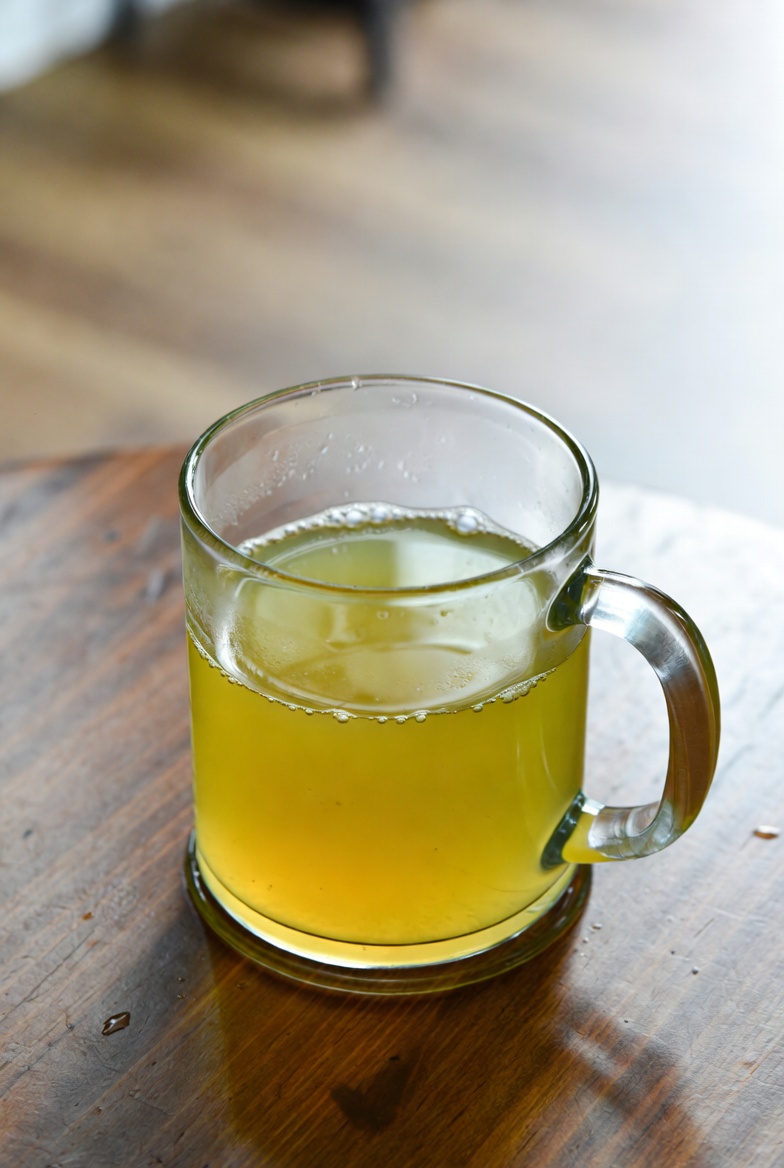
Rather than correcting a chemical imbalance, the signal may travel through neural pathways to the spinal cord, helping interrupt the abnormal electrical activity causing the cramp. In simple terms, it may act like a quick reset signal for the muscles.
Because this response appears to be neurological, only a small amount is typically needed to produce the effect. This insight has changed how sports scientists think about cramping and muscle control, highlighting the important relationship between sensory signals and muscle function.
When It May Be Used
Pickle juice is commonly used as a fast-response option during:
- High-intensity exercise
- Endurance competitions
- Training in hot environments
- Sudden cramping during activity
It is generally considered a short-term solution rather than a daily supplement.
Important Considerations
While it may help in specific situations, pickle juice is not suitable for everyone.
Due to its high sodium content, frequent use may not be appropriate for individuals managing certain health conditions, including blood pressure concerns. Its acidity may also irritate digestive conditions such as acid reflux or GERD. In addition, regular exposure to acidic substances can affect tooth enamel, making proper oral hygiene important.
As with any dietary strategy, balance and individual health needs should always be considered.
Relief vs. Prevention
It is important to distinguish between stopping a cramp and preventing one.
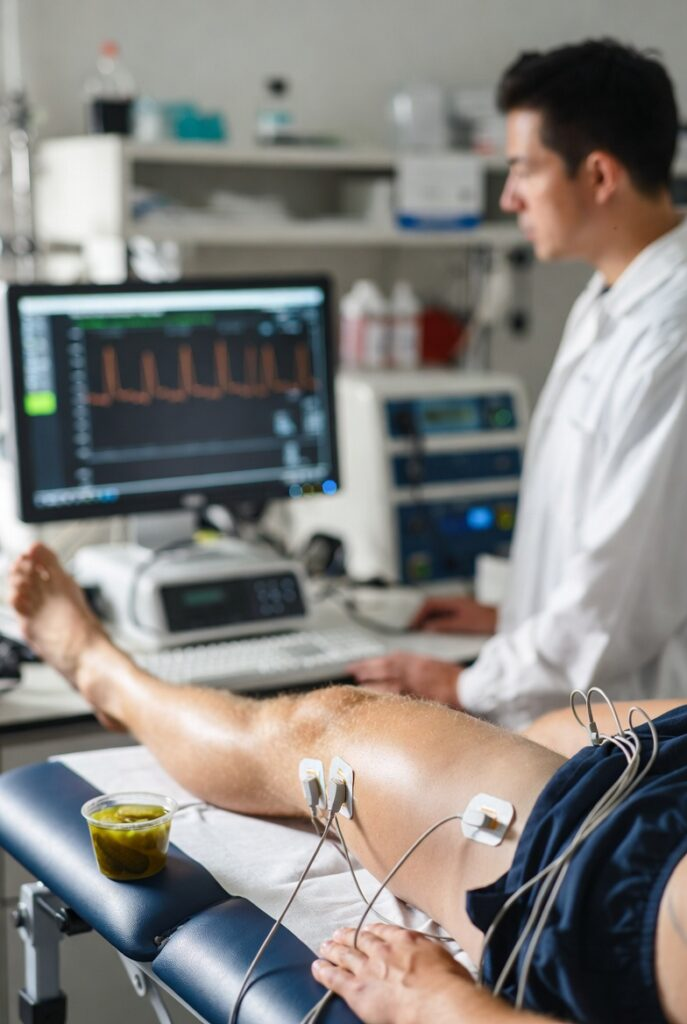
Pickle juice may help relieve an active cramp, but it does not address long-term causes. Sustainable cramp prevention often includes:
- Staying well hydrated
- Maintaining balanced mineral intake
- Warming up before activity
- Stretching regularly
- Increasing training intensity gradually
- Prioritizing recovery
These habits support overall muscle performance and reduce the likelihood of recurring cramps.
Listening to Early Signals
Muscle cramps are often preceded by subtle signs such as tightness, fatigue, or discomfort. Paying attention to these early cues allows individuals to adjust intensity, rest appropriately, and support recovery before issues escalate.
Consistent training, proper nutrition, and smart recovery strategies remain the foundation of long-term performance and muscle health.
From Tradition to Evidence
The story of pickle juice demonstrates how practical experience can sometimes lead to scientific discovery. What was once considered a simple folk remedy has evolved into a subject of research, offering new insights into how the nervous system interacts with muscles.
It serves as a reminder that innovation often begins with curiosity.
The Bottom Line
Pickle juice may provide rapid relief for certain muscle cramps through a neurological response. However, it should be viewed as an occasional tool rather than a replacement for proper hydration, balanced nutrition, and structured training practices.
A comprehensive approach to fitness remains the most reliable way to support muscle function, performance, and overall well-being.
💬 Have you ever used pickle juice for cramps, or do you prefer other recovery methods? Share your experience below and join the conversation on smarter ways to support performance and recovery.