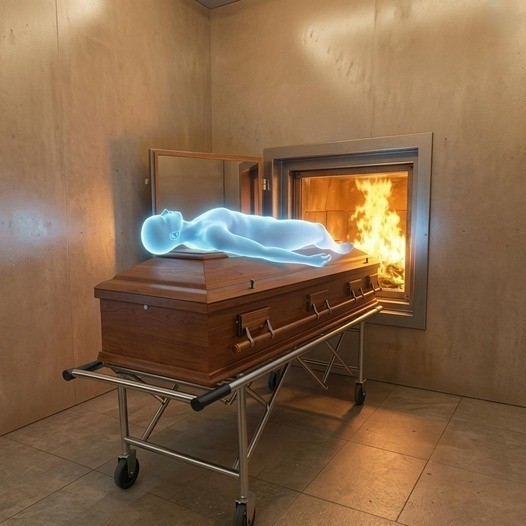
Cremation and Christianity: Understanding the Biblical Perspective
The question of how Christians should approach burial and cremation has become increasingly common in recent years. As traditions evolve and families face new financial, environmental, and personal considerations, many people are asking what the Bible actually teaches about this topic.
Historical Christian Practice
For much of church history, burial was the most common practice among Christians. It carried symbolic meaning, reflecting beliefs about dignity, reverence, and hope in the resurrection.
The Bible includes many references to burial throughout both the Old and New Testaments. Significant figures were buried, and the burial of Jesus Christ is central to Christian faith. These accounts helped shape early traditions and influenced how communities approached end-of-life customs.
Burial was often seen as a meaningful expression of faith in the resurrection — a visible reminder of belief in future restoration and eternal life.
What the Bible Does — and Does Not — Say
While burial appears frequently in scripture, the Bible does not contain a specific command requiring burial over other methods. There is no direct prohibition against cremation in either the Old or New Testament.
Because of this, many Christian scholars and denominations view cremation as a matter of personal conviction or family choice rather than a doctrinal requirement.
The central focus of Christian belief is not the method of body disposition, but the promise of resurrection and eternal life.
The Hope of Resurrection
Continue reading on next page…