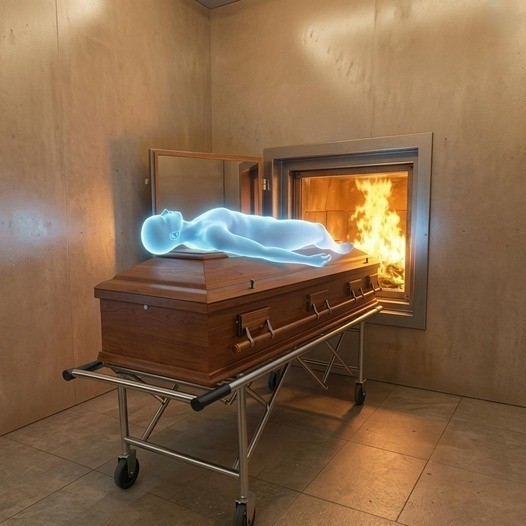
At the heart of Christianity is the belief in resurrection. This hope is grounded in faith that God has the power to restore life, regardless of physical circumstances.
From a theological perspective, resurrection is understood as a divine act of transformation. It does not depend on the condition of earthly remains. Many believers emphasize that God’s creative power is not limited by time, location, or physical elements.
This understanding allows room for different practices while maintaining the core message of faith and hope.
Practical Considerations in Modern Times
Today, many families choose cremation for practical reasons. Traditional burial can involve higher costs, including cemetery space, caskets, and related services. In times of financial pressure, cremation may offer a more affordable alternative.
Environmental considerations also play a role for some individuals. As awareness grows about sustainability, certain families prefer options that reduce land use or avoid materials that are not biodegradable.
These factors have contributed to cremation becoming increasingly common across many regions.
What Different Christian Traditions Teach
Many Christian denominations now consider cremation an acceptable and respectful option. Over time, several churches have clarified that cremation does not conflict with core beliefs about faith, dignity, or resurrection.
The emphasis has shifted toward the meaning of the service itself — honoring the life of the deceased, offering comfort to loved ones, and proclaiming hope in eternal life.
Whether a family chooses burial or cremation, the focus remains on faith, remembrance, and community support.
The Heart of a Christian Funeral
Regardless of the method chosen, Christian funerals center on hope, love, and remembrance. The service provides space for grief, reflection, and shared faith.
The ritual is ultimately for the living — offering comfort and reaffirming belief in God’s promises. Both burial and cremation can be conducted in ways that are reverent, meaningful, and spiritually grounded.
The essential message remains the same: death does not have the final word for believers.
Moving Forward with Understanding
As traditions continue to evolve, families have more flexibility than ever before. Some may choose burial, others cremation, and some may select memorial approaches that combine elements of both.
What matters most in Christian teaching is faith, compassion, and the hope of resurrection — not the specific method used to lay a loved one to rest.
Understanding these perspectives can help reduce confusion and allow families to make informed decisions that reflect both their beliefs and their circumstances.
Final Thoughts
Cremation, for many Christian communities, is viewed as a permissible option that does not conflict with core biblical teachings. The foundation of the faith remains centered on resurrection, grace, and eternal hope.
End-of-life decisions are deeply personal. What truly endures is not the form of the burial, but the love shared in life and the faith carried forward.
What are your thoughts on this topic? Share your perspective in the comments and join the discussion below. 💬✨