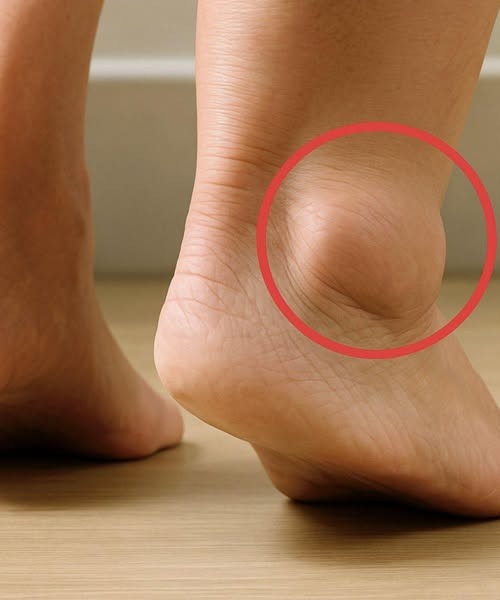
Swollen Feet in Seniors: Causes, Risks, and Simple Ways to Find Relief
Swollen feet are more than just a nuisance—they’re a common issue for older adults that can quietly affect comfort, mobility, and daily life. For many seniors, the swelling appears gradually: shoes feel tighter, ankles puff up, and by the end of the day, a heavy, uncomfortable sensation settles in the lower legs. Sometimes it eases with rest; other times, it lingers, signaling that the body is struggling to manage fluids effectively.
This condition, known as edema, occurs when excess fluid builds up in tissues—most often in the feet and ankles. Aging plays a key role: circulation slows, vein valves weaken, and gravity naturally pulls fluid downward. Long hours spent sitting or standing without moving make it worse, allowing blood and fluid to pool in the legs.

Poor circulation is a major contributor. Chronic venous insufficiency, where vein valves don’t function properly, can trap blood in the lower legs and force fluid into surrounding tissues. Medications for high blood pressure, diabetes, or joint inflammation may also cause fluid retention, making swelling more noticeable. In some cases, persistent edema can signal serious health issues, like heart, kidney, or liver problems—conditions that disrupt the body’s ability to regulate fluids.
Continue reading on next page…