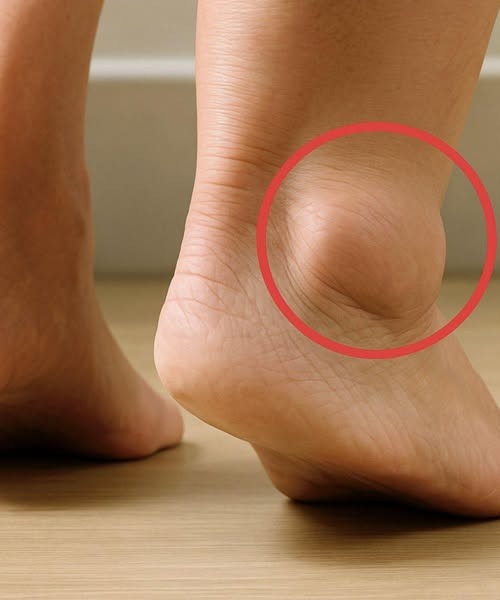
Lifestyle factors matter too. Lack of activity allows fluid to settle; prolonged sitting, like during travel or long sedentary periods, intensifies the problem. Diet plays a role as well. Excess salt encourages water retention, while potassium-rich foods like bananas, spinach, and sweet potatoes help balance fluids naturally.
The good news: swollen feet can often be managed with simple, consistent habits. Regular movement—walking, stretching, or even light exercises—helps push fluid back toward the heart. Elevating the legs above heart level uses gravity to reduce swelling and relieve discomfort. Supportive, well-fitted shoes or compression socks improve circulation, while staying hydrated prevents your body from holding onto excess water. Mindful dietary choices, including reduced salt and plenty of fruits and vegetables, further support fluid balance and overall circulation.
Persistent or worsening swelling should never be ignored. Even mild edema can affect mobility and comfort over time, but paying attention early can prevent complications, protect independence, and improve daily life.
By combining movement, elevation, proper footwear, and smart diet choices, seniors can reclaim comfort, mobility, and freedom in their everyday routines. Swollen feet don’t have to slow you down—they can be a manageable part of maintaining health and vitality.
💬 Have you or a loved one struggled with swollen feet? Share your tips and experiences below to help others stay active and comfortable!