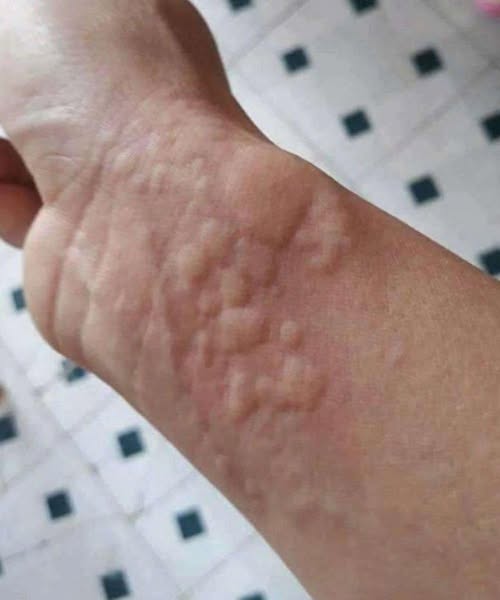
Hives, Wheezing, and Urgency: Reading Your Body’s Life-Saving Signals
The human body is an incredible machine, usually humming along quietly. But sometimes, it flips a switch, sending urgent warnings that a serious crisis is unfolding. Hives—those itchy, raised red welts—might seem minor, a fleeting irritation from a new detergent or a brush with poison ivy. Yet when they appear alongside even subtle breathing changes, the situation becomes critical. This is the body’s “forensic” alert system in action: a full-body allergic reaction known as anaphylaxis, and understanding it can save lives.
Anaphylaxis is sudden, systemic, and unpredictable. The immune system, usually our protector, suddenly treats a harmless substance as life-threatening. It can happen to anyone, at any age—even after decades of tolerance to the same foods, medications, or environmental triggers. A meal, a sting, a routine medication—all can spark a rapid, terrifying chain reaction. And when the body decides to react, it does so with intensity that leaves no room for hesitation.
Hives are often the first visible sign. They can appear anywhere—arms, chest, face—like a red flag waving across your skin. But the real danger is what follows: chest tightness, throat discomfort, wheezing, or swelling of the lips, tongue, or face. These aren’t cosmetic changes—they signal internal airways constricting. Every second counts, and waiting to see if it passes can be deadly. For older adults, ignoring these signals is especially risky. If you have an epinephrine auto-injector, this is the moment to use it. Epinephrine acts fast, reversing inflammation and opening airways before breathing is compromised.
Continue reading on next page…