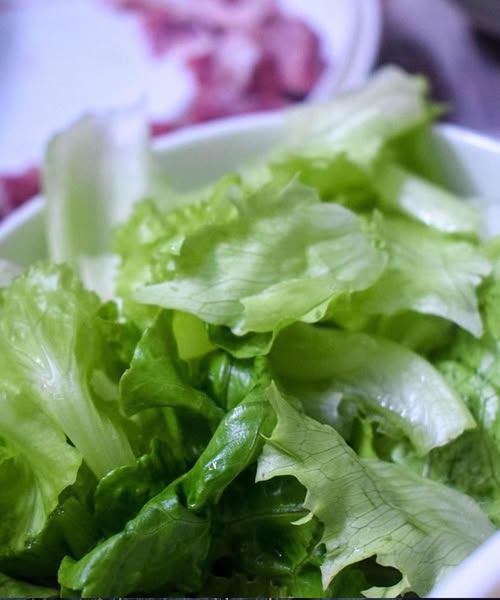
Lettuce is one of those kitchen staples we often take for granted. It’s in salads, sandwiches, wraps, and side dishes—bringing a crisp, refreshing crunch without demanding attention. Its mild flavor makes it incredibly versatile, pairing effortlessly with almost anything, which is why it’s a go-to base for lighter meals, especially in warmer weather.
At first glance, lettuce might seem simple—just texture and hydration—but it’s more than that. While often linked to dieting or light eating, lettuce can play a meaningful role in balanced nutrition when used thoughtfully. Its high water content not only refreshes but also adds volume without many calories, helping you feel satisfied when paired with proteins, grains, or other veggies. Certain varieties even provide fiber, supporting digestion and overall meal quality.
Its real strength lies in adaptability. Lettuce slides seamlessly into tacos, grain bowls, wraps, and sandwiches. It doesn’t demand complicated prep, yet it elevates any dish it joins. For people who struggle to include vegetables in their diet, lettuce is an easy entry point—neutral in taste, soft in texture, and universally versatile.
But there are a few things to keep in mind. Because it’s eaten raw, thorough washing is essential to remove dirt, residues, or bacteria. Overeating raw vegetables can sometimes cause bloating or discomfort for sensitive stomachs, so moderation is key. And while it’s excellent as part of a meal, lettuce alone isn’t enough for proper nutrition—it lacks protein, healthy fats, and energy-dense components.
Continue reading on next page…