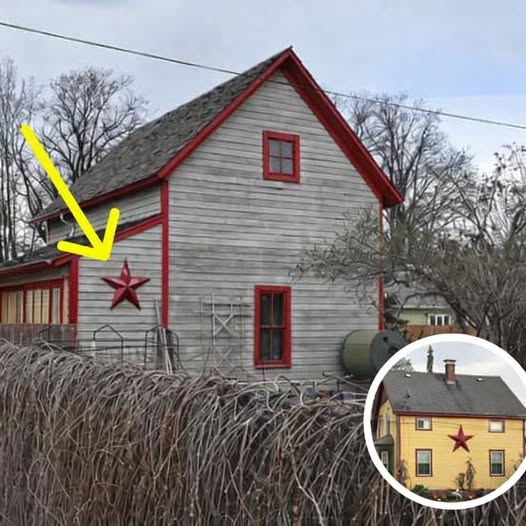
The Hidden Story Behind Pennsylvania’s Iconic Barn Stars
Drive through rural Pennsylvania, and one sight immediately stands out: the large, geometric stars decorating barn walls. At first glance, they’re charming accents, but these barn stars carry centuries of history, culture, and tradition.
What Are Barn Stars?
Also called barnstars or Pennsylvania stars, these decorative symbols come in five, six, eight, or even twelve points. Some resemble wagon wheels, adding a striking visual touch to farmland landscapes. Far from mere decoration, they are cultural icons, deeply tied to the region’s heritage.
A Tradition Rooted in Early Settlers
Barn stars trace back roughly 300 years to German-speaking settlers—Amish, Mennonites, and Lutherans—who came to Pennsylvania seeking religious freedom. Known collectively as the Pennsylvania Dutch, these communities brought vibrant geometric designs, painting barns with stars, flowers, and birds as expressions of artistry, identity, and pride.
By the 1830s, barn stars had become widespread. By the mid-19th century, they were a common sight, and their designs endured, preserved or recreated in homes and barns even today.
Crafting Barn Stars: Wood, Metal, and Skill
Originally painted directly on barns, the stars evolved into attached wooden pieces, carefully cut and hand-painted. Later, metal versions in tin, steel, or iron became popular for their durability. Each star reflects both craftsmanship and practicality, marrying function with aesthetic appeal.
Continue reading on next page…