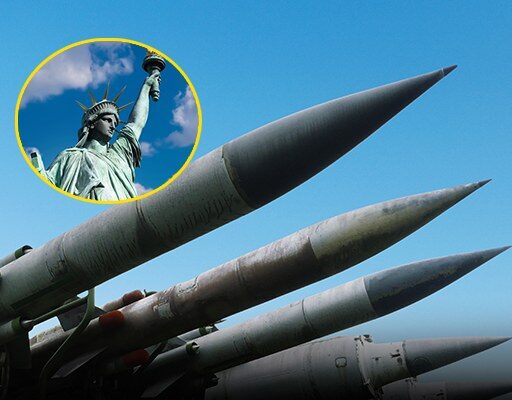
Fear Creeps In, Quietly Shaping Our World
Fear rarely arrives with sirens or flashing lights. More often, it slips into daily life quietly, headline by headline, until the air itself feels heavier, tighter, almost electric. We wake to news of rising tensions, military maneuvers, and diplomatic standoffs, and even when leaders speak of peace, the actions behind the words tell a more complex story. Ordinary citizens find themselves parsing statements, monitoring developments, and wondering: are we heading toward disaster, or simply navigating the precarious game of global deterrence?
The Subtle Signals of Modern Anxiety
Unlike sudden crises, the anxiety of our time builds gradually. It emerges in the tone of speeches, the deployment of troops, or the sudden visibility of military exercises near international borders. Analysts may discuss command centers, missile fields, and naval assets in clinical terms, but the reality touches neighborhoods, schools, and workplaces. Each strategic move on a map represents human lives, routines, and the silent tension that quietly reshapes everyday existence.
This invisible pressure shapes behavior in subtle ways. Conversations at dinner tables, investment decisions, and even travel plans are influenced by the awareness of a world that balances precariously between caution and confrontation. In the absence of immediate alarms, this type of fear can be more pervasive than a crisis because it is constant, feeding uncertainty in small, persistent doses.
Why Restraint Is More Powerful Than Might
Continue reading on next page…